
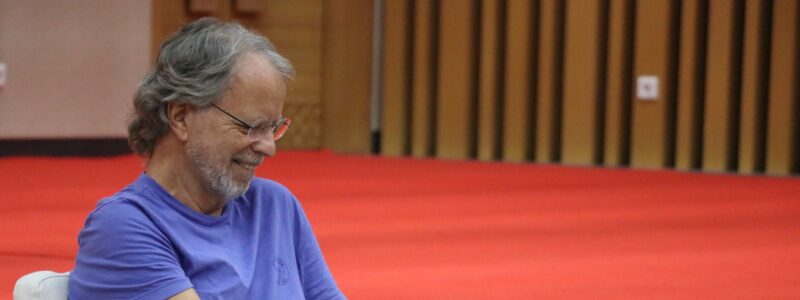
At a time when knowledge is becoming increasingly crucial to the destiny of nations, the Mozambican writer and thinker Mia Couto offered a profound look at the role of universities in building a more ethical, pluralistic, and resilient country.
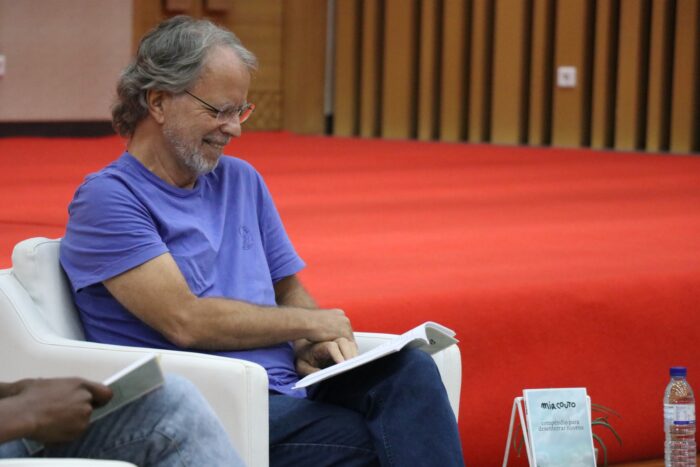
The reflection was recently presented during the inaugural lecture at the Catholic University of Mozambique (UCM), entitled "Building Mozambique from the University," where the author highlighted the need to strengthen a symbiotic relationship between the city and the academic space.
For Mia Couto, the university cannot exist as an island of knowledge isolated from the world around it. On the contrary, it must engage in permanent dialogue with the city, taking into account its social, economic, and cultural challenges so that the knowledge produced within its walls finds meaning and utility in real life.
"There needs to be a symbiotic relationship between the city and the university," he said, emphasizing that the future of Mozambique depends on this living exchange between academic reflection and collective experience.
At the heart of this vision is the idea that higher education needs to cultivate its own ethics. In a world where the challenges of education transcend national borders and take on a global dimension, Mia Couto argues that each university must affirm values capable of guiding not only technical training but also the social awareness of its students.
According to the writer, training an engineer, doctor, or lawyer means more than just transmitting specialized knowledge. Above all, it means preparing citizens for a complex world where not everything is immediately perceptible and where professional decisions inevitably carry human and social consequences.
“The university has an ethical obligation to warn the student that they will enter a world where not everything will be visible or evident,” he emphasized, recalling that true education is not limited to the mastery of techniques or theories, but involves the ability to question, understand, and act responsibly.
For Mia Couto, this ethical dimension is crucial for the country's future. Mozambique, he argues, will only become truly resilient if it cultivates a culture of plurality and integrity. In this sense, the university emerges as a laboratory of values, a space where ideas are experimented with, visions are confronted, and consciences capable of engaging with the world's diversity are formed.
The inaugural lecture thus transformed into a broader reflection on the role of higher education in national development. In arguing that academic knowledge should be deeply connected to city life, Mia Couto proposes a university that not only observes society but actively participates in its transformation.
(By Rafael Langa)