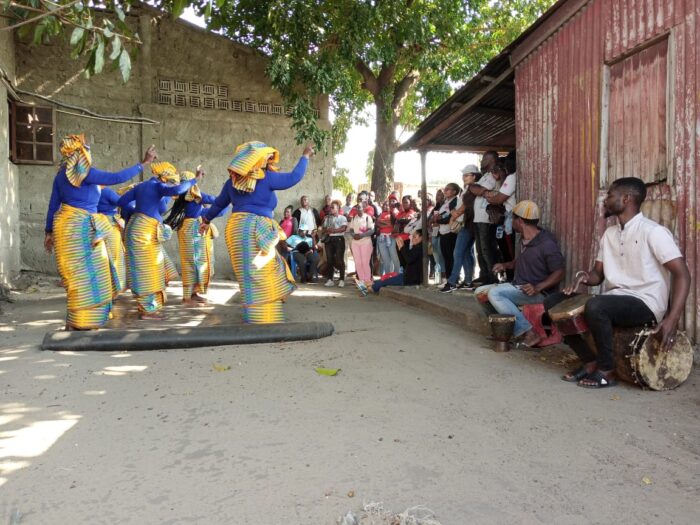

The young filmmakers explore the symbolic spaces of the village and share narratives from five elderly people about life during wartime, about what love was like during armed conflict, and what it was like to experience adolescence in the light of traditions that are now extinct.
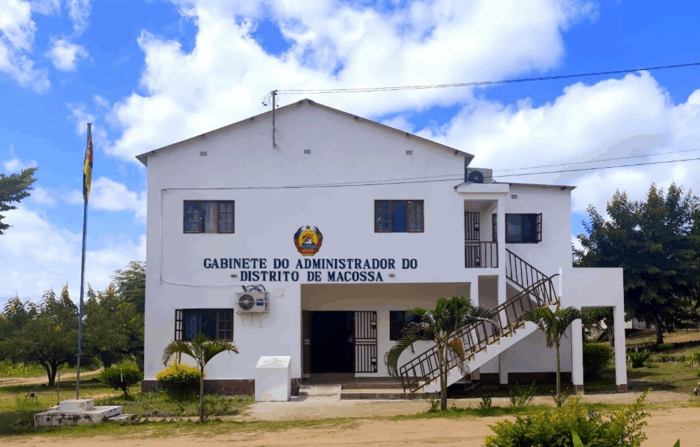
One way to discover Macossa, a district in the province of Manica, is by watching the film "Ilha do Mato" (Island of the Bush), produced in 2024 by 15 students from Macossa Secondary School as part of the Italian DELPAZ project.
The film discusses the morphological characteristics of Macossa and its history. Thus, the viewer has the opportunity to learn, for example, how the district's capital was founded.
It speaks of elements such as the unity and solidarity among families seeking liberation from colonialism and the misery caused by the 16-year war, one of the most devastating events in Mozambique's contemporary history. These vestiges are now hallmarks that can boost tourism in this district of Sofala.
The teenagers deepened their research using the interview technique and thus listened to elders, custodians of collective memory.
Young filmmakers explore the symbolic spaces of the village and share narratives from five elders about life during wartime, about what love was like during armed conflict, and what adolescence was like in the light of now-extinct traditions.
For the protagonists, aged between 13 and 15, this island has undergone many transformations in recent decades, which is why the group of teenagers feels they have received a great legacy from those who fought to liberate these places during the colonial liberation struggle and during the conflict that ended in 1992.
Throughout the process, the young participants became protagonists of their own narrative, recognizing themselves as heirs and guardians of a rich cultural heritage.
The film “Ilha do Mato” is being screened this Tuesday at the Fernando Leite Couto Foundation in Maputo.
(By MozaVibe)