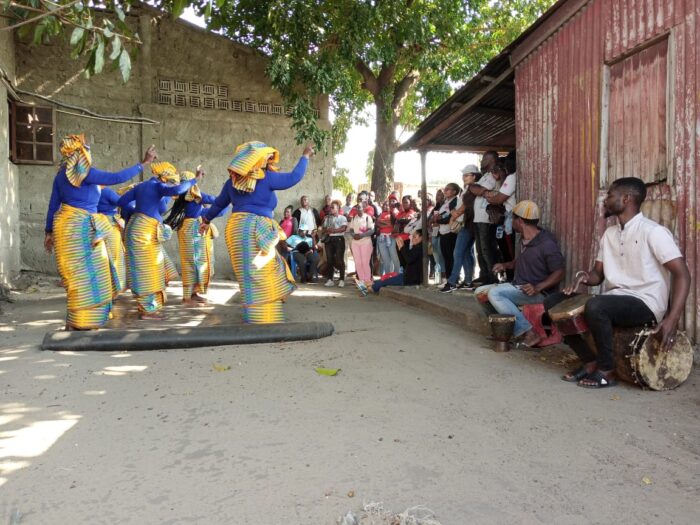


... GACIM began investing more in local communities so that they feel that this heritage belongs to them and benefits them.

Mozambique Island, classified as a UNESCO World Heritage Site since 1991, has recently been an example of how a historical territory can use its potential to boost Cultural and Creative Industries (CCI).
According to Cláudio Zunguene, coordinator of the Mozambique Island Conservation Office (GACIM), an entity under the Ministry of Education and Culture, behind so much patrimonial wealth lies a reality marked by profound social challenges, such as poverty.
“How can we ask people to prioritize heritage conservation when many of them face difficulties in securing their daily food?” he asks, noting that GACIM has begun investing more in local communities so that they feel that this patrimonial legacy belongs to them and benefits them.
It is in this sense that GACIM has sought to establish a new way of operating, based on the creation of partnerships with private organizations, cultural associations, and international institutions.
Thus, since 2020, the institution has managed to mobilize various international funding sources aimed at enhancing heritage and strengthening cultural and cultural institutions. Zunguene explains that, thanks to a fund from the Procultura project, for example, it was possible to create a new cultural space on Mozambique Island: the Casa dos Contos (House of Stories).
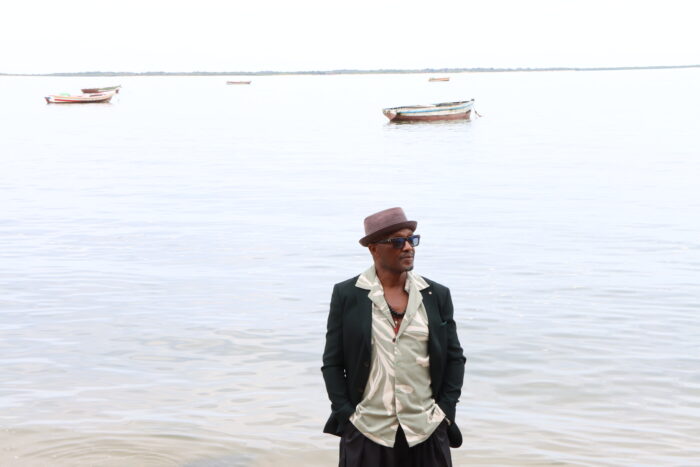
Cláudio Zunguene was one of the panelists at the III Cultural and Creative Forum, which recently took place at the Franco-Mozambican Cultural Center (CCFM) in Maputo. The event was promoted by Cultiv’Arte, a project to strengthen the cultural sector in Mozambique.
His panel was moderated by journalist Ouri Pota and also included speakers Osvaldo Faquir and Joaquim Matavele, who addressed the theme: “Partnerships between municipalities, territories and the private sector: what real opportunities for cultural and cultural institutions?”
(By Lucas Muaga)