
Cataracts, a leading cause of preventable blindness, primarily affect vulnerable populations, often located far from urban centers and adequate healthcare services.
A perda gradual da visão é muitas vezes inevitável para quem, durante muito tempo, vive com catarata, um problema de saúde que também lhe rouba a autonomia. Os relatos de várias pessoas com esta enfermidade de pessoas não deixam margem para dúvidas, pois o seu quotidiano tornou cada vez mais indistinto, com rostos desfocados, caminhos inseguros e tarefas interrompidas a meio.
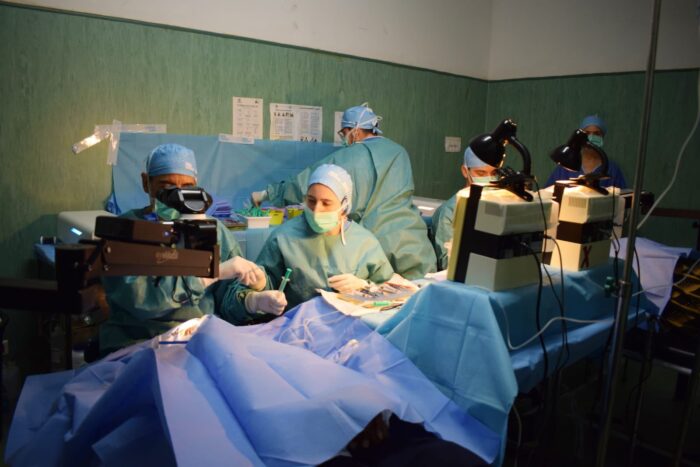
The good news is that this scenario is beginning to reverse. Dozens of patients have regained their sight and, as a result, have resumed activities interrupted by visual impairment, thanks to a surgical campaign that is transforming lives.
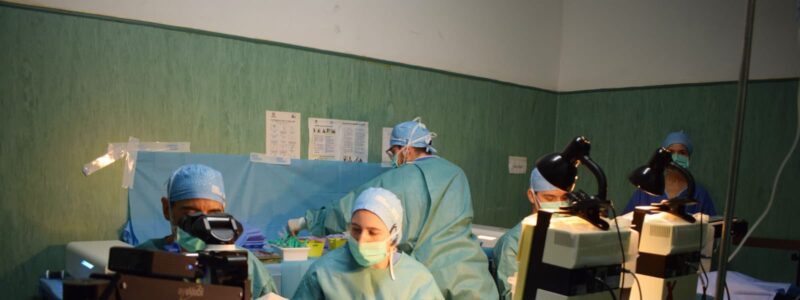
The initiative, promoted by the municipality of Marracuene, in partnership with the Association of Doctors for Humanitarian Aid (AMAH) and the Elena Barraquer Foundation, combines medical intervention with social support, ensuring that beneficiaries receive not only surgery, but also eyeglasses, medication, transportation, and food throughout the process.
In a context where access to specialized ophthalmological care is still limited, the campaign responds to a long-standing need. Cataracts, one of the leading causes of preventable blindness, primarily affects vulnerable populations, often far from urban centers and adequate health services. The inability to see not only compromises individual autonomy but also affects livelihoods, mobility, and dignity.
By restoring vision, the initiative restores the ability to see, returning independence. For many patients, it's a new beginning. Walking again without assistance, recognizing familiar faces, resuming small domestic or professional activities—simple gestures that, after surgery, regain their essential value.
Prevention, early diagnosis, and the continuation of similar initiatives could significantly reduce cases of avoidable blindness, directly impacting the quality of life of populations.
(By Rafael Langa)