
Portugal: the new reality of 41 students

Forty-one young Mozambicans, from all provinces of the country, are about to begin a new academic phase in Portugal.
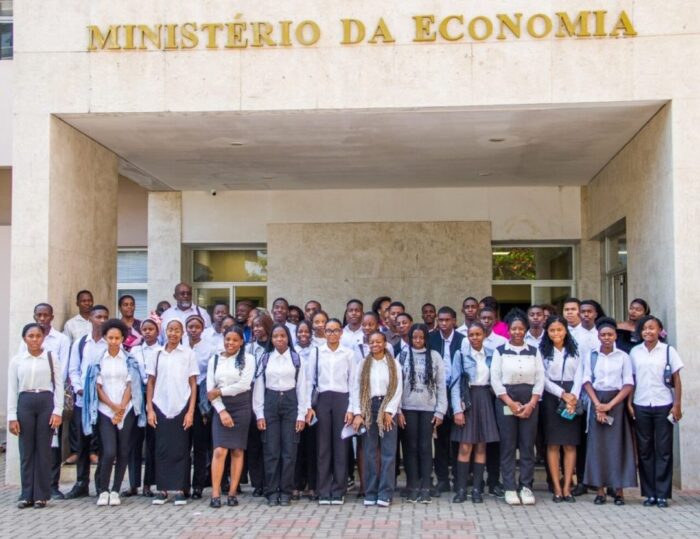
Photo: ME

Thanks to partial scholarships, students will attend mid-level technical-professional courses at two prestigious institutions, namely the Agricultural School of Carvalhais and the Arts School of Covilhã, starting in the 2025/2026 academic year.

This initiative is part of the cooperation between Mozambique and Portugal and paves the way for training in strategic areas such as tourism, cooking, pastry, oenology, restaurant and bar development, communication and marketing, among others.

During the farewell ceremony in Maputo, the Secretary of State for Tourism, Fredson Bacar, highlighted the importance of training these young people to address one of the greatest challenges facing the tourism sector in Mozambique: the shortage of specialized human capital.

"Despite the enormous tourism potential, the lack of qualified professionals compromises our country's competitiveness as a destination," Bacar stated.

The minister recalled that since 2012, the National Institute of Tourism (INATUR) has established partnerships with foreign entities to promote training in tourism and hospitality, having already awarded 71 scholarships.

The new wave of 41 students joins others who have been in Portugal since 2023. The expectation is that starting in 2026, they will be able to pursue higher education, consolidating a training path designed to meet the demands of the sector.

"This is not just about fulfilling an individual dream, but also about the trust our country places in us. We want to return more qualified and contribute to the modernization of tourism and the development of the national economy," shared some of the students.

(By Renaldo Manhice)

Residency reflects on colonial liberation in PALOP

The objective is to promote a critical reinterpretation of cultural production and stimulate contemporary creation based on these memories.

Photo: RAC Project

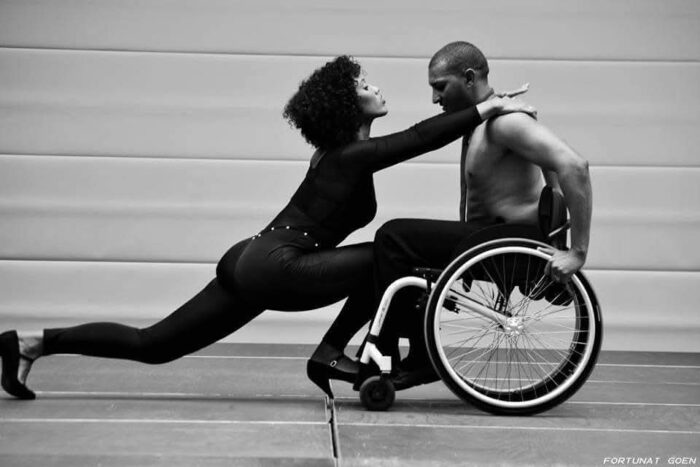
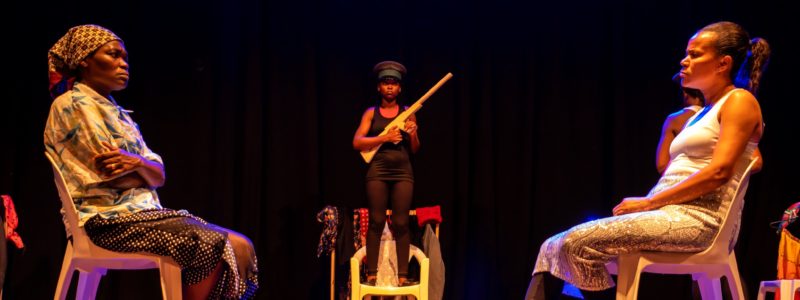
An artistic residency recently launched in Maputo, bringing together 16 young emerging artists from Mozambique, Angola, Cape Verde, Guinea-Bissau, Portugal, São Tomé and Príncipe, and East Timor.

The initiative is part of the "Resistance and Cultural Affirmation" project, which investigates and recreates artistic manifestations that occurred during the colonial liberation processes of the Portuguese-speaking countries (PALOP) and East Timor, as well as during the anti-fascist struggles in Portugal. The goal is to promote a critical reinterpretation of cultural production and stimulate contemporary creation based on these memories.

The residency is the result of a partnership between the Scala Cultural Association and Khuzula. More than one hundred applications were received from the seven countries involved, from which the 16 participating artists emerged.

For three weeks, these creators will combine the languages ​​of theater, music, dance, and poetry, culminating in a final multidisciplinary performance that will bring together more than 50 actors, including Mozambican musicians and technicians. The result will be filmed and documented and will be included on the CASA digital platform, a virtual library of performing arts from the project countries.

Voices from the artistic direction

For Sol de Carvalho, general director of the residency and representative of the Scala association, the initiative takes on special relevance in the context of the 50th anniversary celebrations of the independence of the PALOP countries, which highlights the end of the war, but the wounds of those same wars bleed into the body and into history.

"The stage is where we will expose these scars and, perhaps, begin to heal them. This residency doesn't provide answers, but it offers clues, sparks dialogue, and, above all, brings ideas together," she said.

The residency's artistic producer, Khuzula, represented by Júlia Novela, highlights cultural fusion as the driving force behind this initiative.

"The important thing is to have symbiosis, connection, and unity to create something new. It doesn't matter if it's semba from Angola, morna from Cape Verde, gumbé from Guinea-Bissau, marrabenta from Mozambique, puxa from São Tomé and Príncipe, tebe-tebe from East Timor, or the ballad from Portugal. Ultimately, it's all brotherly talk."

Framework and Support

Resistência e Afirmação Cultural is coordinated by Scala (Mozambique) and brings together seven institutions from Portuguese-speaking countries. It is supported by Procultura, an initiative of the PALOP-TL and EU program, funded by the European Union, co-financed and managed by Camões, I.P., and the Calouste Gulbenkian Foundation. The program has a total budget of 19 million euros and aims to create jobs through the cultural and creative economy in the PALOP countries and East Timor.

The project also has strategic support from the Ministry of Education and Culture of Mozambique, the Network of Portuguese Cultural Centers in the PALOP (Portuguese-speaking African Countries), and other local partners.

Final Presentation

The residency's results will be shared with the public on September 12th, on the stage of the Mozambique-China Cultural Center in Maputo.

(By Joana Mawai)

European Film Cycle

Photo: CCFM

The Franco-Mozambican Cultural Centre (CCFM) in Maputo will be hosting the 22nd European Film Cycle until 9 May, an event that invites the Mozambican public to discover and share captivating stories through the seventh art. The event is part of the celebrations for Europe Day, 9 May.

The catalogue includes 11 films from Belgium, Spain, France, Ireland, Italy, Norway, Portugal, Sweden, Switzerland, Ukraine and the European Union Delegation, which will be bringing a co-production. The festival combines fiction, documentaries and comedy, addressing themes such as overcoming, education, environment and climate, migration, justice, human rights, inclusion of people with disabilities and the impact of war.

The opening session will feature the dramatic comedy “The Queen of Comedy”, brought by Sweden, which portrays the journey of a young woman in mourning who decides to transform her pain into humour. The programme also includes themed sessions with debates and moments of interaction with the public, such as a meeting with the French-Angolan singer Lúcia de Carvalho, protagonist of the documentary “Kuzola – A Canção das Origens” (France), and a debate after the screening of the Belgian film “Julie Mantém-se em Silêncio”.

The event is promoted by the Delegation of the European Union and Embassies and Cultural Institutes of the Member States and non-members of the European Union in Mozambique.

(By MozaVibe)

At the forefront of ocean biodiversity

Photo. JMR

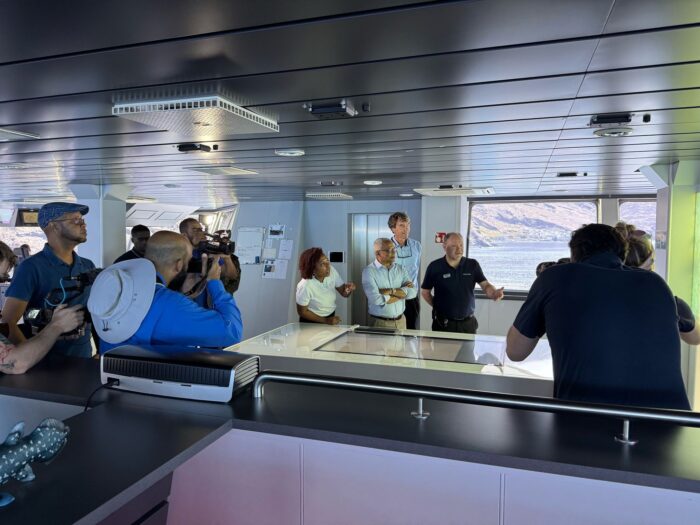
Mozambican researchers are part of the Around Africa Expedition, an international scientific mission that is traveling along the African coast to map and study the biodiversity of the Indian Ocean seamounts.

Led by the organizations OceanX and OceanQuest, the initiative brings together experts from countries such as Mozambique, South Africa, Madagascar, Kenya, Tanzania, Comoros, Portugal, Brazil and Saudi Arabia. It aims to deepen knowledge about marine ecosystems and boost ocean conservation and restoration efforts.

On board the OceanXplorer, one of the most advanced marine research vessels in the world, scientists use state-of-the-art submersibles such as the Neptune and Nadir, which reach depths of up to 500 meters to collect biological samples and images of the seabed. Innovative techniques such as environmental DNA (eDNA) analysis allow species to be identified and the dynamics of ecosystems to be better understood.

Seamounts, submerged geological formations, are considered biodiversity hotspots. According to benthic ecologist Lara Atkinson of NRF-SAEON (South African Environmental Observation Network), these structures influence ocean currents, create nutrient-rich zones and support a variety of marine life, from plankton and corals to fish and marine mammals.

During the expedition, researchers conducted surveys in strategic locations such as the Madagascar Ridge and the Agulhas Plateau, identifying species and documenting the complexity of these habitats.

More than an exploration mission, the Around Africa Expedition seeks to strengthen marine research in African countries. The collaboration with local institutions aims to foster scientific exchange and train new generations of researchers. In Mozambique, the data collected can strengthen environmental monitoring programs, support conservation policies and consolidate the country's presence in global ocean science.

(By Renaldo Manhice)

Mozambican students innovate in Portugal

Photo: Hackathon AEMOTech

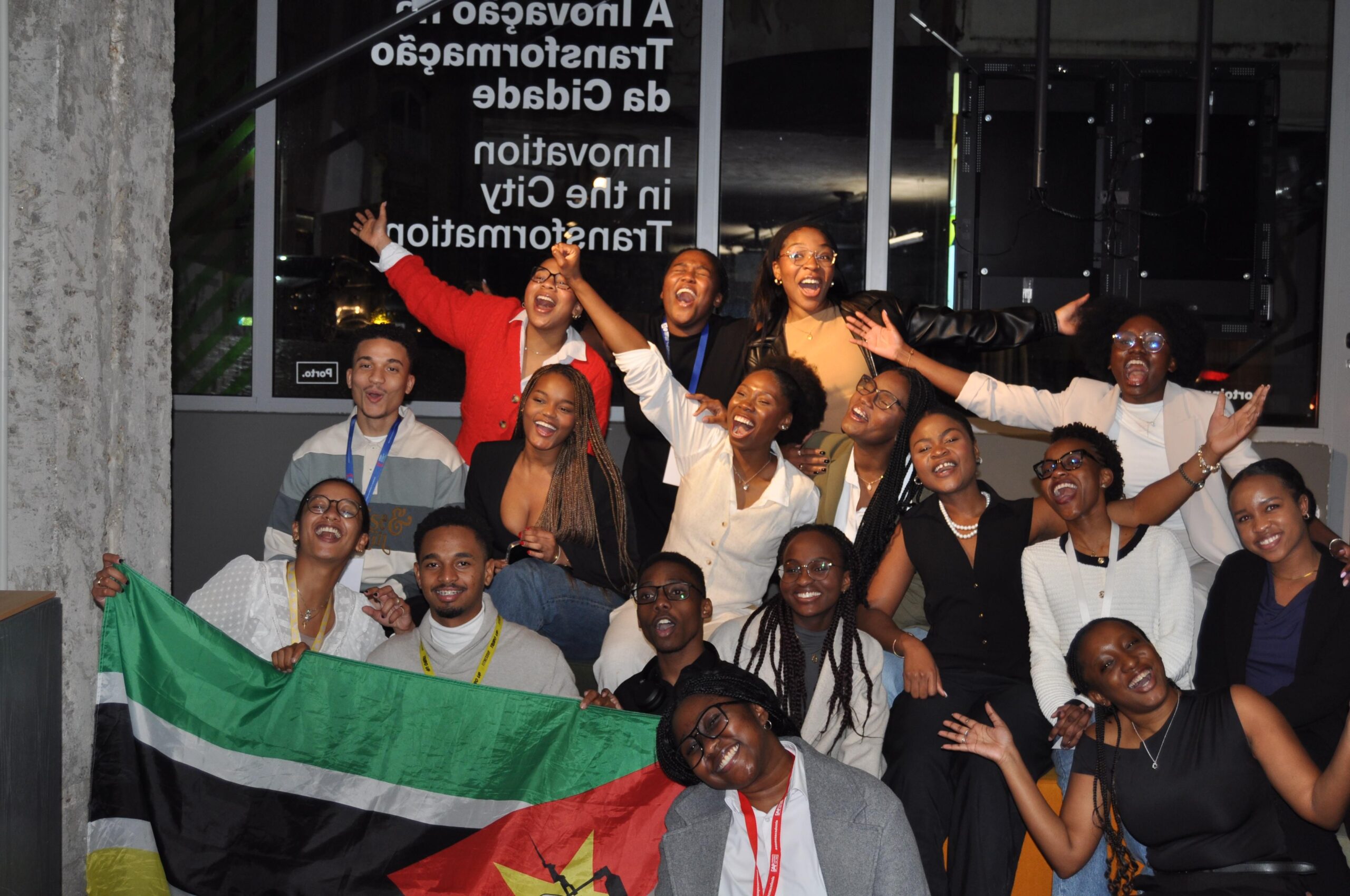
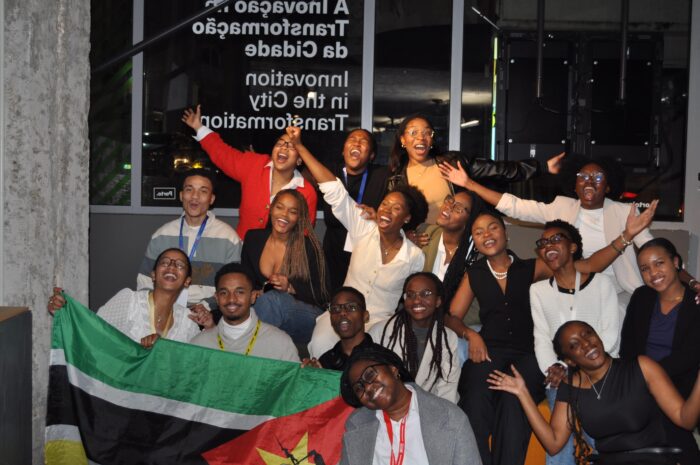
A group of Mozambican students based in Portugal will be participating in an important innovation and creativity event called Hackathon AEMOTech, in the city of Porto, Portugal, from 5 to 6 April, with the motto “Innovation for Employability”.

The idea is to promote creative solutions to improve employability and create sustainable ideas with a positive impact on the job market. The initiative is from the Association of Mozambican Students in Porto and Techsolutions, a national technology and IT company.

During the ceremony, participants will have to work together, stimulate creativity and develop strategies to solve problems related to employment, focusing on the reality of Mozambique, but with solutions that can also be applied in other countries.

According to the event’s curators, the work teams, made up of three to five people, will be guided by experts in the areas of marketing, technology, finance, public policy and entrepreneurship. The idea, say the organizers, is for participants to test their skills, learn from others and contribute ideas that help improve working conditions, as well as promote social and economic development in Mozambique and beyond.

In addition to the competition between teams, the event also serves as a great opportunity for academic and cultural exchange, interaction between students, mentors and leaders from different areas, thus opening doors for new collaborations and future partnerships.

The AEMOTech Hackathon is a celebration of the creative potential of Mozambican students. It shows how innovation and entrepreneurship can be essential to building a better and more prosperous future.

(By MozaVibe)

Gibson João's poetry wins prize in Ponte de Sor

Photo: Disclosure

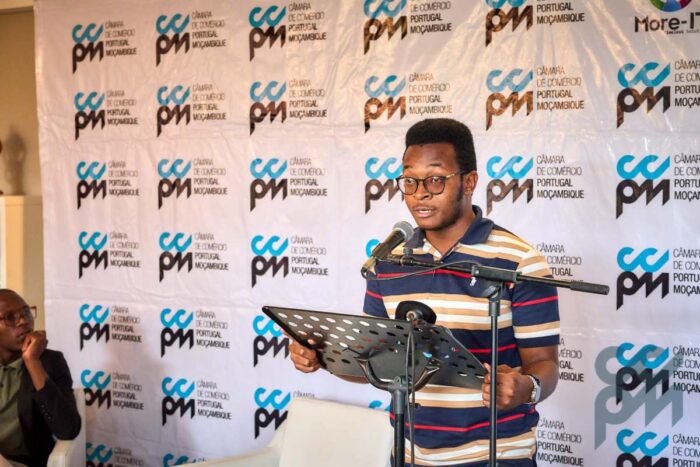
The unpublished poem “Em Vogais”, by the Mozambican poet Gibson João, is one of the winners of the 17th edition of the José Luís Peixoto Literary Prize, awarded annually by the municipality of Ponte de Sor, in Portugal.

With this achievement, Gibson João takes home a cash prize of one thousand euros (more than 69 thousand meticais). His work will also be published in Portugal and the author will be entitled to 50 copies of it. The municipality of Ponte de Sor also reserves the right to produce audiovisual pieces based on his texts.

The José Luís Peixoto Literary Prize is open to Portuguese-speaking writers and was created to pay tribute to the Portuguese writer of the same name, who is a native of that municipality. It aims to encourage literary creativity among young people, as well as to promote a taste for writing, an activity essential for intellectual development.

This is the second prize won by Gibson João, who is a native of the province of Inhambane. In 2023, he shared with Óscar Fanheiro the Fernando Leite Couto Literary Prize, awarded by the foundation of the same name. He won the award with “[Da casa]: o seu litoral murmuro”, which allowed him, in addition to the money, to participate in a one-month literary residency in the city of Óbidos, in Portugal, where he was also part of the program of the Óbidos International Literary Festival, Folio 2023.

(By MozaVibe)