Tchitundu-Hulu, historical and spiritual bridge

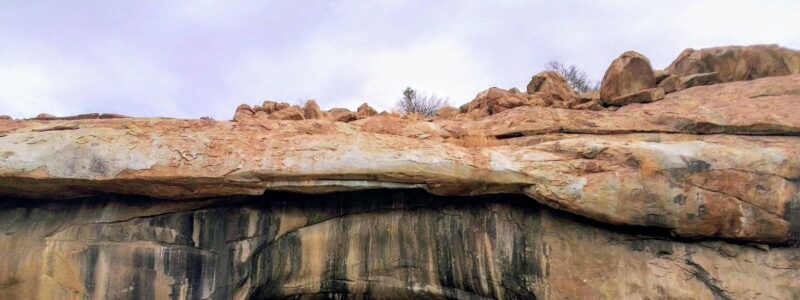
...the engravings are at risk of disappearing, either due to swelling or thermal actions affecting the surface layer of the rock, leading to its fragmentation.
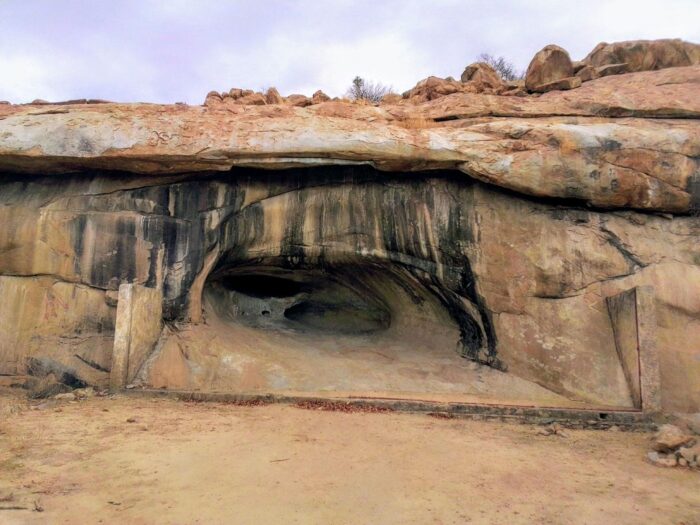
Photo: Alberto Ventura

There are places that, although not located in Mozambican territory, help to better understand Mozambique. The connection between Mozambique and Angola goes beyond the Portuguese language, which makes both members of the Community of Portuguese Language Countries (CPLP) and the African Countries of Portuguese Official Language (PALOP).

Brief and accessible readings transform spaces like the Tchitundu-Hulu archaeological site in Namibe, Angola, into a historical and, in a way, spiritual bridge between this Lusophone country and all of humanity, as the site preserves numerous vestiges of one of the most primitive forms of human expression: rock art and painting.

It is precisely this relevance that leads Angola to request that the Tchitundu-Hulu Rock Art Station be classified as a World Heritage Site by the United Nations Educational, Scientific and Cultural Organization (UNESCO), similar to what happened with Mozambique Island in 1991.

According to the Angolan press, the Tchitundu-Hulu nomination dossier was recently submitted to UNESCO in Paris, France, by Maria Teixeira, Angola's permanent delegate to that international organization. The site has been on the tentative list of that United Nations body since 2017, and the official submission aims to promote cultural tourism and the preservation of Angolan identity.

The importance of this potential classification also lies in the fact that the engravings are at risk of disappearing, either due to swelling or thermal actions affecting the surface layer of the rock, leading to its fragmentation.

The site is known for the rock engravings and paintings of Morro Sagrado dos Mucuísses, considered one of the most beautiful prehistoric rock art sites in Angola, where representations of animals and schematic drawings abound. In recent times, it has served as a source of scientific research and attracted numerous national and international tourists.

Archaeological evidence indicates that the initial development of rock art occurred in the Namibe province, making the preservation of this site essential for understanding the prehistory of the African continent.

(By Lucas Muaga)
The historic port that connected three continents

Photo: SINA

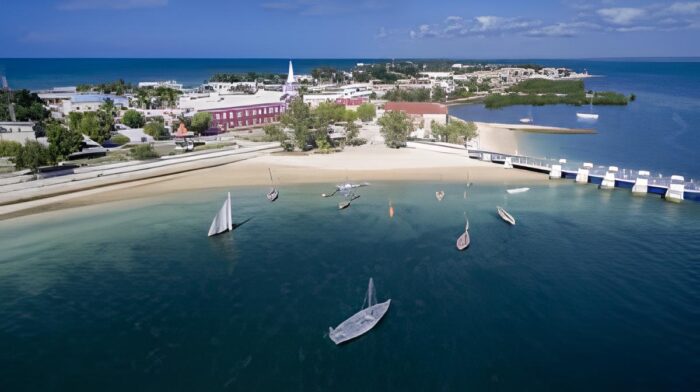
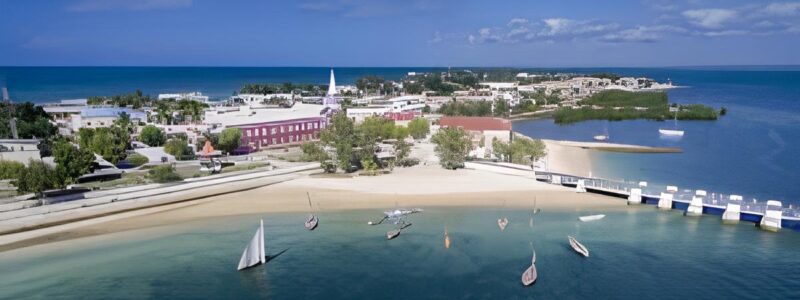
Located on the Mozambican coast, opposite the Island of Mozambique, Lumbo played a strategic role in the trade link between Africa, India and Europe. This historic port was one of the country's main maritime and rail transport hubs, contributing to the region's economic growth.

Lumbo was also the railway terminus of a branch of the Nacala Line, opened in 1924 to connect Nacala to Cuamba, a 538-kilometre route. The line branched off at Monapo, with a 42-kilometre stretch heading east until reaching the small Lumbo peninsula. This railway infrastructure was crucial for the flow of goods and the development of the coastal area.

In addition to the railway, Lumbo had an airfield, the terminal of which, in neo-traditional style, is now in ruins. Along the peninsula, you can still see the remains of old holiday homes, hotels and railway buildings, once symbols of the region’s economic dynamism.

In its heyday, Lumbo was a meeting point for cultures and a centre for trade that strengthened relations between continents. Today, despite the abandonment of part of its infrastructure, it continues to be a fundamental part of Mozambique’s economic and cultural history, bearing witness to the richness of its maritime and railway past.

(By Rafael Langa)

“Só Ajudar” brings hope to the Island of Mozambique

Photo: miguelperal_photography

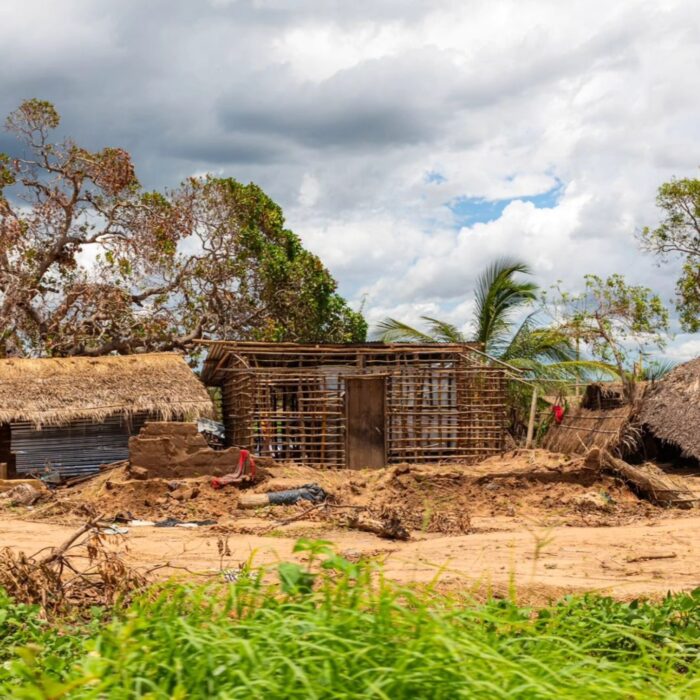
In response to the devastating effects of the intense tropical cyclone Dikeledi on the Island of Mozambique, Nampula province, the organization Só Ajudar launched a campaign to support the victims.

The initiative, created by Sinclair Vandenbergh, with the support of Ivandro Sigaval, Emílio José and Inocente Gulamussene, aims to raise donations to alleviate the suffering of families affected by the tragedy.

In partnership with Café Central on the Island of Mozambique, the project began collecting donations in Nampula, with the aim of sending aid materials to victims of the cyclone.

In addition, the organization is preparing a fundraising event that will take place this Saturday, February 1st, on that centuries-old island, with the intention of further strengthening solidarity and raising funds for assistance actions.

The team will depart for Mozambique Island on Thursday, January 30, to ensure aid reaches those in need quickly. This event is an opportunity for everyone to contribute to alleviating the damage caused by the cyclone, promoting unity and solidarity among the affected communities.

The campaign, which has the support of several local partners, is a collective effort to show that, in times of crisis, unity is strength.

(By MozaVibe)


Descubra o património que Moçambique “dá” à humanidade

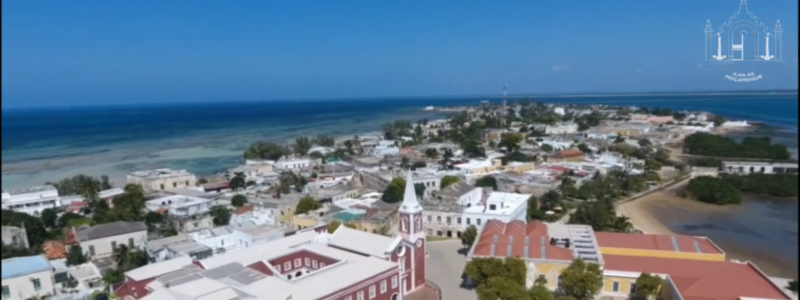
Moçambique possui um vasto património cultural que se estende de norte a sul. O reconhecimento nacional das várias expressões culturais e sítios históricos é quase unânime, com a realização de vários estudos e acções para a sua divulgação e conservação, para que a “essência” não se perca no frenesim dos tempos modernos. Num mosaico cultural tão vasto, é grande a importância do reconhecimento por parte da Organização das Nações Unidas para a Educação, a Ciência e a Cultura (UNESCO), que eleva o nível de atenção nacional e internacional para a valorização do património cultural, podendo mesmo levar ao acesso a diversos financiamentos para a área.

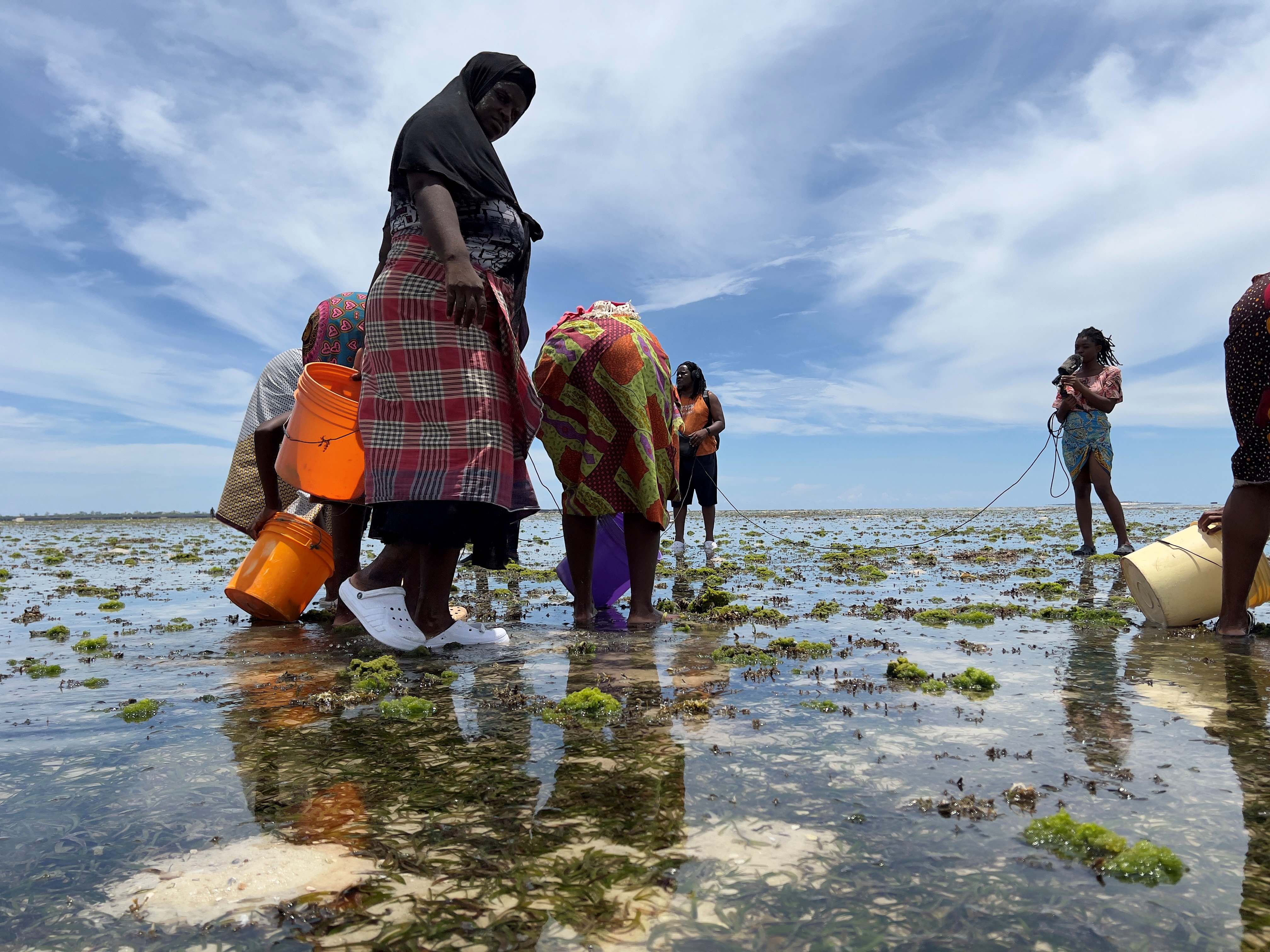
How the lack of seafood affects communities on Mozambique Island

They have learnt to live with the sea as an extension of themselves. But the unregulated fishing encouraged by the industry shows them a side of the sea that they haven’t got used to dealing with yet. There is a lack of fish and shellfish, as if the sea, which is rising due to climate change, is dead. This is the story of women and men who are seeing their lives change and of an installation that wants to give them a face and revive their memory.