

Mozambique continues to face one of the most persistent public health challenges of our time: Tuberculosis. Although globally treatable and preventable, the disease remains one of the leading causes of death in the country, revealing structural weaknesses that go far beyond the health system.
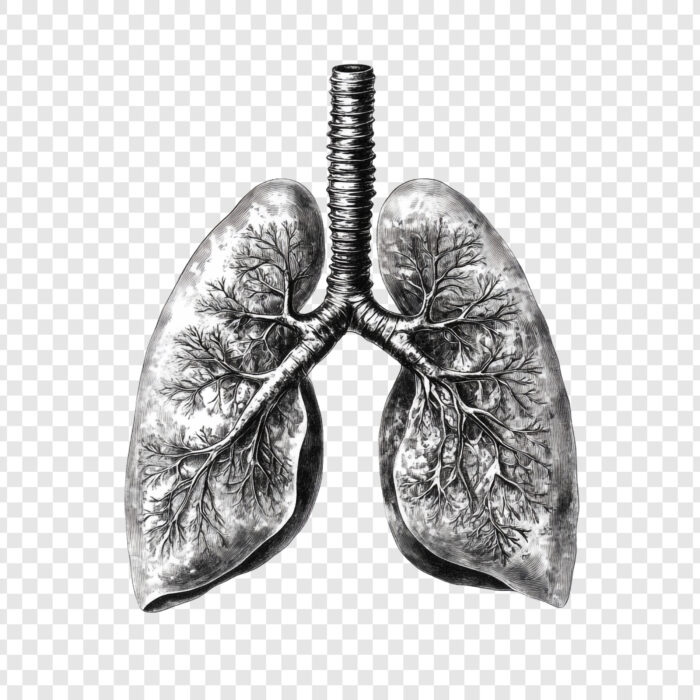
In 2023 alone, an estimated 112,000 people developed the disease, but approximately 17,400 cases remain undiagnosed, reflecting persistent difficulties in accessing healthcare.
The most recent data points to a disturbing reality: tens of thousands of new cases emerge annually, but a significant portion remains undiagnosed. This statistical silence represents more than just missing numbers—it translates into active chains of transmission, aggravated by late diagnoses and unequal access to health services.
The complexity of the problem intensifies with the strong association with HIV. In Mozambique, co-infection between tuberculosis and HIV continues to be a major cause of mortality, a relationship that compromises the immune system and accelerates disease progression. This scenario places the country among the most affected globally, demanding coordinated and sustained responses.
For experts like Helen Hallstrom, understanding tuberculosis must be done in light of social conditions. Chronic malnutrition, poverty, and limited access to medical care create an environment conducive to the spread of Mycobacterium tuberculosis. This is not just a medical issue, but a direct reflection of the structural inequalities that persist in the country.
The emergence of drug-resistant forms of the disease adds a new layer of complexity. Drug-resistant tuberculosis requires longer, more expensive, and less accessible treatments, placing additional pressure on health services. At the same time, social stigma remains a silent obstacle, deterring many patients from timely diagnosis and treatment.
Despite the challenges, there are signs of change. The introduction of digital solutions for screening and monitoring patients is beginning to reshape the response to the disease, allowing access to more remote communities and improving treatment adherence. However, these initiatives alone are not enough.
(By Rafael Langa)