

Moçambique iniciou a implementação de acções antecipadas com foco na seca, mas a crescente ocorrência de ciclones e cheias levou à adopção de uma abordagem mais abrangente, centrada num modelo multi-risco.
Mozambique and Tanzania strengthen cooperation in disaster risk management, with particular attention to expanding anticipatory actions to address extreme weather events.
According to Gabriel Monteiro, vice-president of the National Institute for Disaster Risk Management and Reduction (INGD), who recently spoke at a technical exchange between delegations from the two countries, an anticipatory response allows for a significant reduction in human and material losses before calamities occur.
For Monteiro, acting proactively is no longer just an innovation. Today it is a strategic tool to save lives, protect infrastructure and ensure greater dignity for populations.
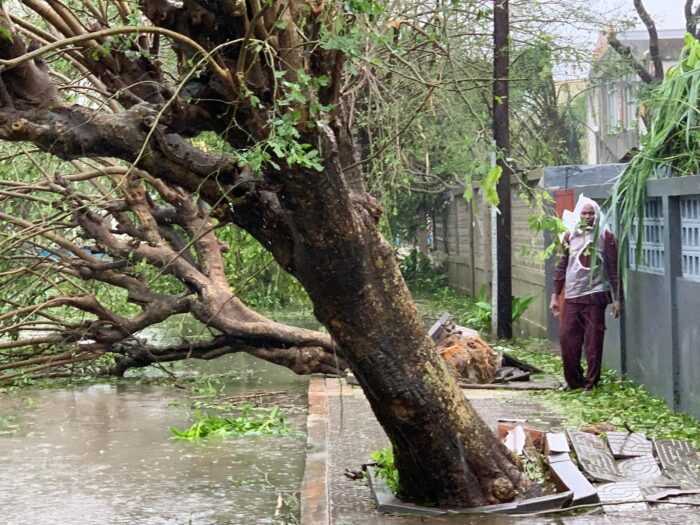
Mozambique began implementing anticipatory actions focusing on drought, but the increasing occurrence of cyclones and floods led to the adoption of a more comprehensive approach, centered on a multi-risk model. According to the official, this adaptation allowed for the inclusion of different types of climatic events in response plans.
“Previously, we only had proactive measures for drought situations. Today we have been forced to expand the plans to include floods and cyclones, and the results are encouraging,” he explained.
The activation of district plans in various regions of the country has contributed to strengthening response capacity and reducing the impact on the most vulnerable communities, especially during critical periods.
Despite the progress achieved, the official warned of climate projections that indicate the possibility of even more intense phenomena in the coming rainy seasons, which requires greater preparation and continuous investment.
From the Tanzanian side, the Permanent Secretary of the Prime Minister's Office, Jim James Yonazi, highlighted Mozambique as a regional benchmark in the implementation of proactive measures, emphasizing the importance of sharing experiences between the two countries.
“Cooperation between our countries allows us to strengthen African solutions to respond to the challenges of climate change and protect the most vulnerable populations,” he stated.
(By Renaldo Manhice)