
...the engravings are at risk of disappearing, either due to swelling or thermal actions affecting the surface layer of the rock, leading to its fragmentation.
There are places that, although not located in Mozambican territory, help to better understand Mozambique. The connection between Mozambique and Angola goes beyond the Portuguese language, which makes both members of the Community of Portuguese Language Countries (CPLP) and the African Countries of Portuguese Official Language (PALOP).
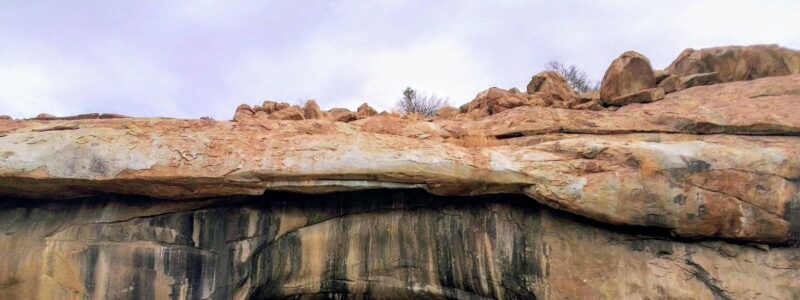
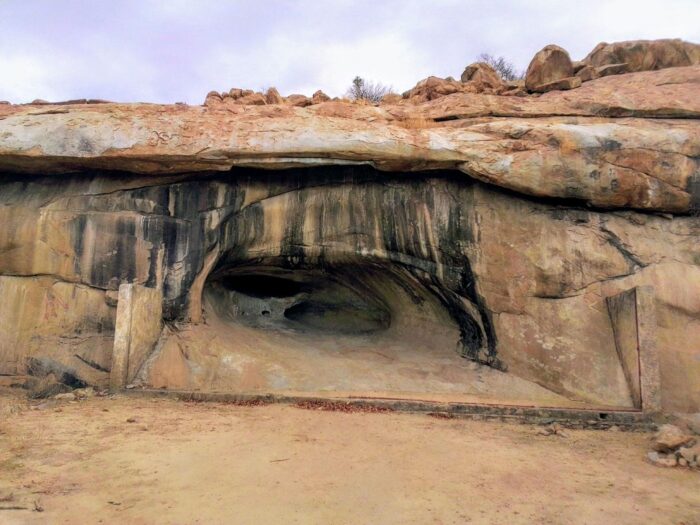
Brief and accessible readings transform spaces like the Tchitundu-Hulu archaeological site in Namibe, Angola, into a historical and, in a way, spiritual bridge between this Lusophone country and all of humanity, as the site preserves numerous vestiges of one of the most primitive forms of human expression: rock art and painting.
It is precisely this relevance that leads Angola to request that the Tchitundu-Hulu Rock Art Station be classified as a World Heritage Site by the United Nations Educational, Scientific and Cultural Organization (UNESCO), similar to what happened with Mozambique Island in 1991.
According to the Angolan press, the Tchitundu-Hulu nomination dossier was recently submitted to UNESCO in Paris, France, by Maria Teixeira, Angola's permanent delegate to that international organization. The site has been on the tentative list of that United Nations body since 2017, and the official submission aims to promote cultural tourism and the preservation of Angolan identity.
The importance of this potential classification also lies in the fact that the engravings are at risk of disappearing, either due to swelling or thermal actions affecting the surface layer of the rock, leading to its fragmentation.
The site is known for the rock engravings and paintings of Morro Sagrado dos Mucuísses, considered one of the most beautiful prehistoric rock art sites in Angola, where representations of animals and schematic drawings abound. In recent times, it has served as a source of scientific research and attracted numerous national and international tourists.
Archaeological evidence indicates that the initial development of rock art occurred in the Namibe province, making the preservation of this site essential for understanding the prehistory of the African continent.
(By Lucas Muaga)