

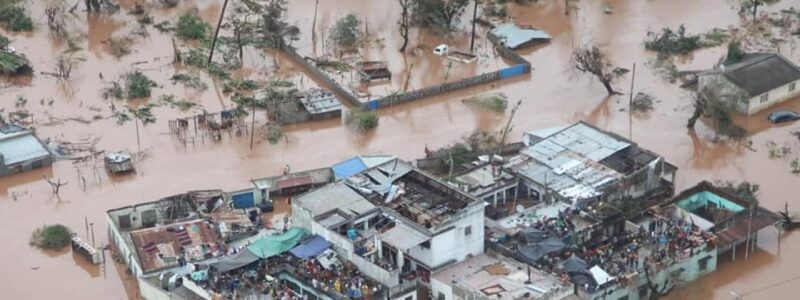
Anxiety, depression, and post-traumatic stress are frequent consequences after natural disasters, affecting communities and healthcare professionals.
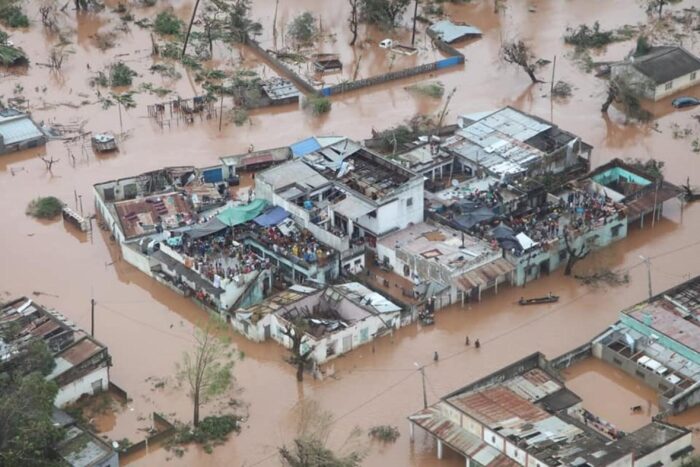
The country has taken an important step in preparing its health system to face climate change with the launch of the National Plan for Adaptation of the Health Sector to Climate Change (PNAS-MC). This initiative represents a structured response to a problem that has ceased to be a future issue and has become a reality.
In presenting the plan, the Government acknowledges that cyclones, floods, prolonged droughts, and heat waves not only cause material damage but also profoundly affect populations and the functioning of health services.
The PNAS-MC emerges as a strategic instrument to strengthen the sector's response capacity in one of the countries most exposed to climate change in Southern Africa. The increase in intense rainfall and flooding, for example, favors the spread of malaria, while extreme events such as cyclones and floods increase the risk of cholera outbreaks and diarrheal diseases.
The plan also warns of the growth of vector-borne diseases, such as dengue and chikungunya, as well as the worsening of malnutrition in contexts of prolonged drought.
Another relevant point is the integration of mental health into climate adaptation. Anxiety, depression, and post-traumatic stress are frequent consequences after natural disasters, affecting communities and healthcare professionals.
Among the measures foreseen are the strengthening of resilient infrastructure, the adoption of alternative energies, and the creation of early warning systems. The plan had the support of partners such as UN-Habitat.
(By Rafael Langa)