

The debate on Mozambican higher education is challenged to take a new direction with the launch of the book “Higher Education in Mozambique: Contexts and Challenges” (1962–1975), by Felismino Basílio.
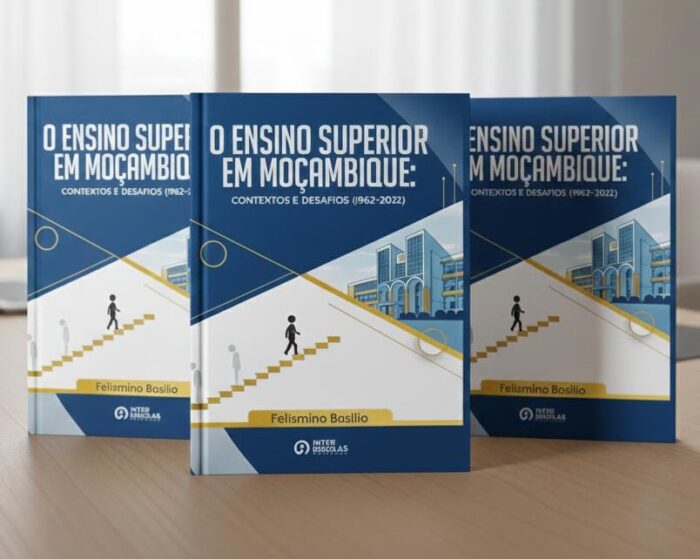
The work, published by Interescolas, brings back to the public sphere a structural theme: the need to understand the past in order to reconfigure the educational future of a country still seeking a balance between expansion, quality, and academic identity.
It proposes an analytical journey to the roots of higher education in Mozambique, marked, during the colonial period, by profound mechanisms of restriction that limited Mozambicans' access to university institutions.
Felismino Basílio rigorously retraces this path, revealing how educational exclusion structured inequalities that are still felt today in the corridors of academia.
“One cannot envision a better education without revisiting the foundations of the process of building Mozambican higher education,” stated the author.
For Basílio, understanding this past is not an exercise in nostalgia, but a tool for charting possible, alternative, and more inclusive paths, aligned with the country's contemporary reality.
In turn, academic Martins Maperra underlines the relevance of the work to the current national debate on the quality and purpose of universities. According to him, higher education cannot grow "aside from scientific advances and the real needs of the country," and must find a balance between expansion and academic excellence.
The book calls for reflection on persistent structural challenges such as demographic pressure, insufficient funding, lack of applied research, and the urgent need to connect the university to economic and social development.
However, it also points to the resilience of Mozambican institutions, which have sought to reinvent themselves in a competitive global scenario.
(By Rafael Langa)