
At a time when the oceans are facing the weight of overexploitation and climate change, Mozambique is taking a step towards a balance between development and preservation.
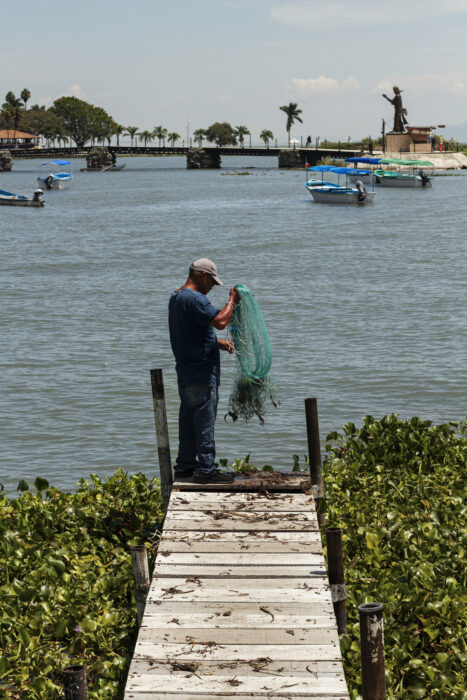
The Government recently announced new measures to temporarily suspend fishing for surface shrimp, mangrove crab, and octopus, a gesture that goes beyond economics and reflects a deep commitment to marine life and the future of coastal communities.
The decision marks a necessary pause. For months, the nets will remain out of the water to allow for the regeneration of species that sustain thousands of Mozambican families.
The initiative was designed to allow for the natural reproduction of the most sought-after species, reinforcing the national commitment to the sustainable management of marine ecosystems.
The new closed seasons were strategically defined, varying according to fishing zones.
In the North Sofala Bank, the ban is in effect from October 1st to December 31st, 2025, while industrial and semi-industrial vessels must cease fishing from January 1st to March 1st, 2026. Artisanal fishing will be suspended between December 12th, 2025 and March 31st, 2026.
In South Sofala and Govuro, the closed season extends from December 15th, 2025 to April 30th, 2026, and in Maputo Bay and the mouth of the Limpopo River, from December 1st, 2025 to March 31st, 2026.
For mangrove crab and octopus, the closed season runs from November 1st, 2025 to January 31st, 2026, covering Cabo Delgado, Nampula and Inhambane provinces, where the tidal rhythm... It dictates the daily livelihood of many families.
During this period, the capture, transport, and commercialization of the species covered are prohibited, except when duly declared in stock.
The Government warns that non-compliance with the regulations will result in administrative and criminal sanctions, including exclusion from licensing for 2026.
More than a simple prohibition, this decision symbolizes a pact with the future. It is a reminder that the richness of Mozambique's seas depends on responsible choices made today. By protecting the natural cycle of species, the country reaffirms its vision of a sustainable blue economy, where growth goes hand in hand with conservation.
In coastal communities, the temporary silence of vessels will also be a moment of reflection on what it means to live in harmony with the ocean, on the value of pause, and on the duty to preserve what the sea generously offers.
(By Renaldo Manhice)