
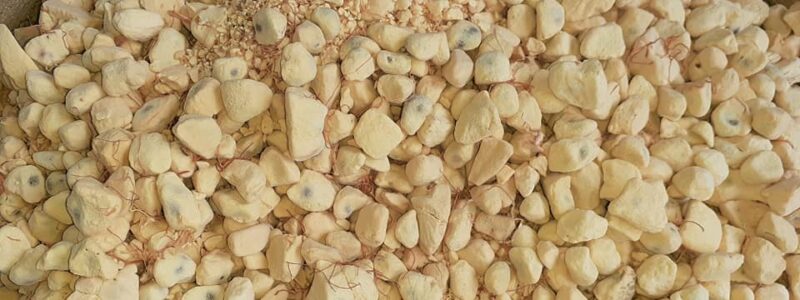

In the vast Mozambican plains, a majestic tree stretches out its branches in reverence to the land that sustains it. From it comes the Malambe, a fruit full of history, life and the potential to transform the health and economy of communities.
Known scientifically as “adansonia digitata”, the malambe, the fruit of the emblematic baobab tree, is a natural gift and a true African nutritional heritage.
Rich in vitamin C, antioxidants, fibre and essential minerals, it is celebrated for its regenerative properties and its ability to nourish the body and strengthen the spirit.
Traditionally, it is transformed into refreshing juices and energy-giving flours. Or it is used in natural medicine to combat infections and strengthen the immune system.
Today, it is re-emerging as a protagonist in healthy eating movements, winning over admirers who are looking for more natural and sustainable alternatives.
However, the potential of the malambe goes beyond nutrition. The fruit holds the promise of sustainable economic development.
Each fruit harvested can generate income for rural communities, encourage regenerative agricultural practices and boost eco-tourism focused on African biodiversity.
(By Rafael Langa)