
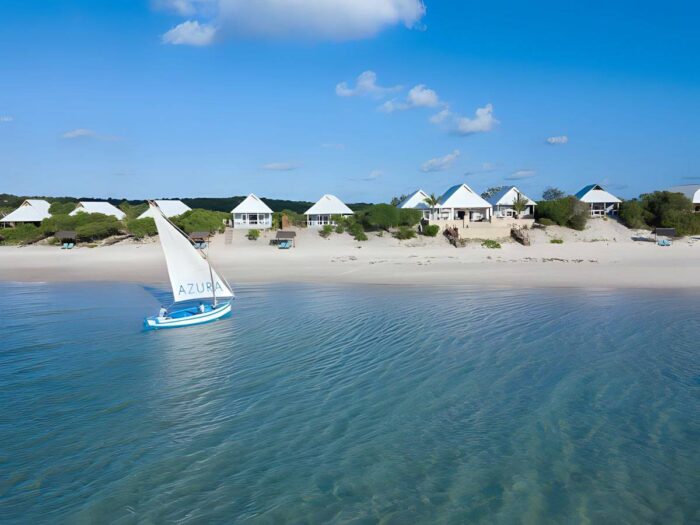
On the Mozambican coast, Benguerra Island is one of the most extraordinary tourist destinations in Southern Africa, combining unspoiled natural beauty, unique biodiversity and authentic cultural experiences.
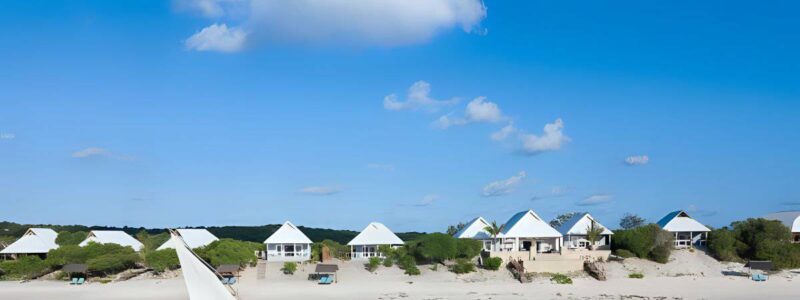
Located about 14 kilometres off the coast of Vilankulo, in the province of Inhambane, Benguerra is a dazzling island. With its fine golden sand beaches, crystal clear waters and lush coral reefs, it stands out as one of the best diving and marine observation spots in the Indian Ocean.
In addition to being a leisure paradise, Benguerra is also an example of sustainable tourism and environmental preservation. Part of the Bazaruto Archipelago National Park, the island is home to an impressive diversity of marine life including dolphins, dugongs, turtles and a profusion of tropical fish species.
At this tourist spot, each visitor is invited to dive into the transparent waters, but also into the living culture of the local communities, who preserve ancestral traditions and actively collaborate in the conservation of the ecosystem.
Tourism in Benguerra has developed under a conscious and high-value-added model, with world-class eco-lodges offering personalized experiences of connection with nature, respecting the environmental and sociocultural identity of the region. Activities for visitors go beyond the obvious: dhow trips (a traditional sailing vessel), marine safaris to observe dugongs, horseback riding on the beach, interpretive walks and sport fishing expeditions are just some of the experiences that make a visit unique.
Despite the challenges imposed on the preservation of the islands, such as climate change and disorderly tourism in some coastal regions, Benguerra Island remains a strong example of the balance between elite tourism, environmental protection and community appreciation.
In the Mozambican tourism landscape, Benguerra Island not only occupies a prominent position: it redefines the concept of tropical paradise, presenting to the world the most genuine, vibrant and sustainable side of Mozambique.
(By Rafael Langa)