

The proposal is clear: to democratize access to the books in this collection, strengthen the habit of reading from an early age, promote cultural inclusion, and contribute to the development of readers and thinkers. Reading, he argues, should not be a privilege, but a right.
Books are still a rarity and a luxury in some regions of the country. While many libraries are nearly empty, bookstores are so scarce they can be counted on one hand. Therefore, initiatives to promote and encourage reading are necessary, especially among younger readers.
This is the case with the "Gosto de Ler" project, which aims to make books more accessible and bring literature closer to communities. The initiative was launched this week by the Fernando Leite Couto Foundation, in partnership with Standard Bank Mozambique.
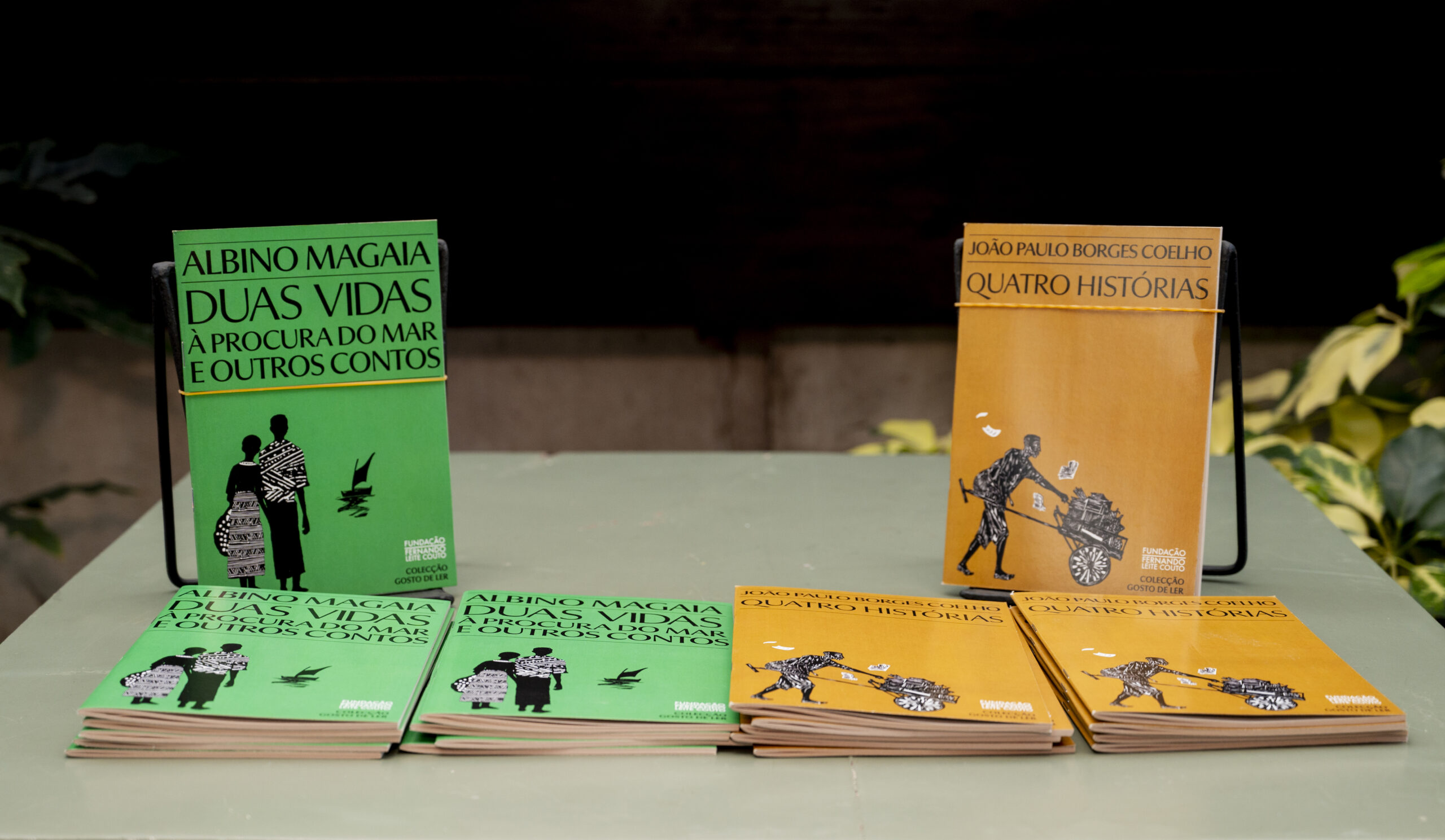
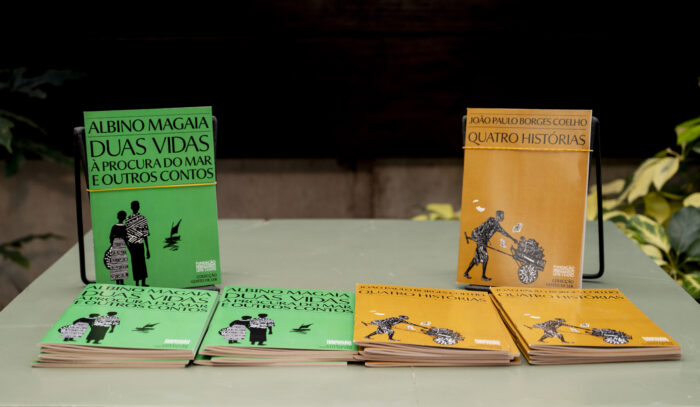
At the heart of the project is the "Gosto de Ler" literary collection, composed of works by five renowned Mozambican authors, namely Albino Magaia, Mia Couto, João Borges, Paulina Chiziane, and Lília Momplé.
As part of this initiative, 25,000 printed copies will be distributed free of charge to schools, libraries, cultural associations, and communities throughout the country.
For Mia Couto, writer and president of the Fernando Leite Couto Foundation, this collection is more than just a book publication; it represents a concrete step in creating opportunities for more Mozambicans, especially young people, to grow up with the habit of reading.
"We want these books to reach the entire country," he stated, emphasizing that the Foundation's mission is precisely to support readers, provide a platform for new writers, and keep the literary profession alive in Mozambique.
"Reading plays an essential role in personal and social development. That's what we're promoting," he said.
Esselina Macome, CEO of Standard Bank Mozambique, reinforced the institution's commitment to the project's social impact. For her, reading goes beyond pleasure; it's an essential foundation for educational, professional, and civic development.
"If we don't know how to read, we won't be able to understand what the country needs, what is being discussed, what is being proposed. And you only learn to read by reading. That's why Standard Bank proudly joins this cause. We want to contribute to the education of children, adolescents, and young people who can actively participate in the country's growth," he stated.
The proposal is clear: to democratize access to the books in this collection, strengthen the habit of reading from an early age, as well as promote cultural inclusion and contribute to the development of readers and thinkers. Reading, he argues, cannot be a privilege, but a right.
During the conference, the selected writers expressed their deep honor and enthusiasm to be part of this project, recognizing its potential to inspire and motivate new generations of readers and writers.
(By Renaldo Luís)