
In a scenario where literacy rates still represent one of the major national challenges, especially in rural areas, Mozambique is beginning to witness the flourishing of creative solutions that seek to democratize access to education.
Among these initiatives, Dondzalândia stands out, a platform conceived as a true learning ecosystem that combines technological innovation, cultural identity, and social inclusion.
The name is not merely symbolic: "dondza," in Xichangana, means to learn or study, while the suffix "lândia" evokes the idea of a vast and encompassing territory. Together, they form the expression "The Land of Learning," a space that transcends the notion of the classroom and presents itself as an open universe for the construction of knowledge.
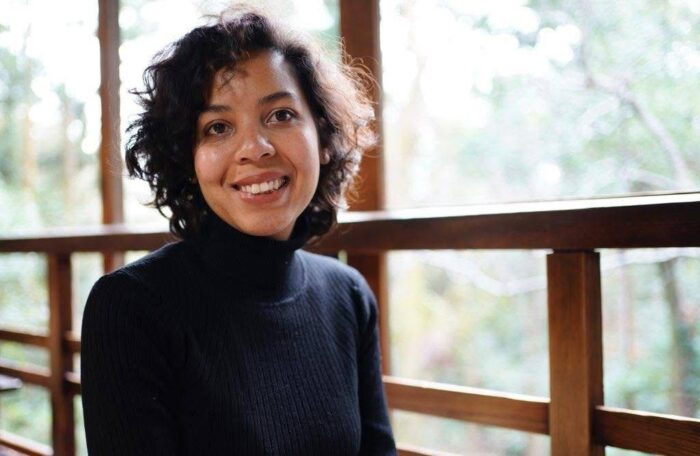
Leading this revolution is Laércio Mondlane, creator of Dondzalândia. He explains that Dondzalândia's originality lies in its focus on rural areas, where the majority of the population lives and where educational barriers become most evident. In these territories, schools lacking resources, a shortage of specialized teachers, and a lack of modern teaching materials create a cycle of exclusion.
It is precisely here that the platform seeks to intervene, with digital solutions ranging from gamified content to audiovisual resources, designed to spark interest and ensure continuous learning.
For Laércio Mondlane, the central idea is simple, but revolutionary: "to transform rural areas into lands of study and innovation."
To this end, the project focuses on creating Mozambique's first rural digital school, designed to integrate technologies, promote inclusion, and prepare children and young people for a future where digital literacy will be essential.
Currently, the initiative reaches more than 156 girls, 188 boys, and has 8 trained instructors who work directly in the communities. The impact goes beyond access to knowledge: it promotes social inclusion, empowers young people, and opens new perspectives for the future for those who would otherwise be on the margins of the digital revolution.
One of the structuring programs is TAPI – Assistive Technologies for the Promotion of Inclusion.
According to Laércio Mondlane, it identifies special educational needs that limit the full participation of students and, from there, develops adapted tools.
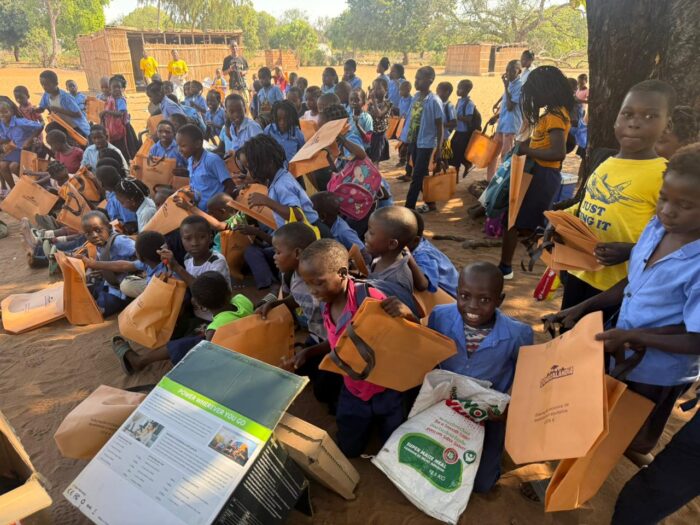
Currently, specific solutions are being developed for people with hearing impairments, using interactive screens and sign language translation. With TAPI, Dondzalândia aims to break with the school segregation that still marks the lives of many students with disabilities, offering tools that allow them to follow the same curriculum as their peers.
The use of innovative methodologies such as educational games, interactive videos, and accessible digital platforms seeks to involve children in the learning process, making it more dynamic and effective. More than just transmitting content, the goal is to form critical citizens capable of adapting to a rapidly transforming technological society.
The Dondzalândia project is still in its expansion phase, but it is already establishing itself as a landmark in the Mozambican educational landscape. In a country where youth represent the majority of the population, initiatives like this have transformative potential.
Through Dondzaland, rural areas cease to be seen as spaces of absence and begin to be recognized as territories of learning and innovation.
More details in the video below:
https://youtu.be/XsTh2sQzp8g?si=U005nxwb-DQdIjBQ
(By Rafael Langa)