
Arts and culture are not seen as priority areas in Mozambique, which is why there are so many complaints about the lack of funding or the existence of budgets that do not do justice to the projects initially set up.
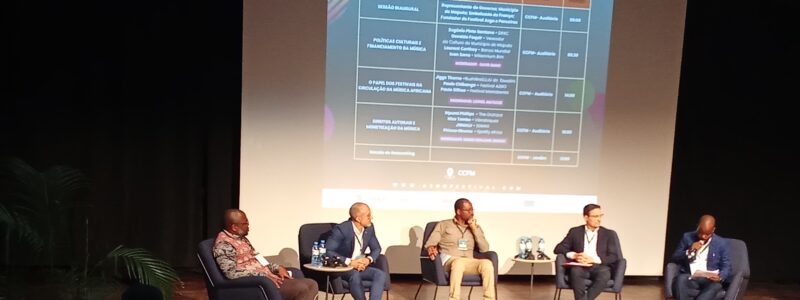
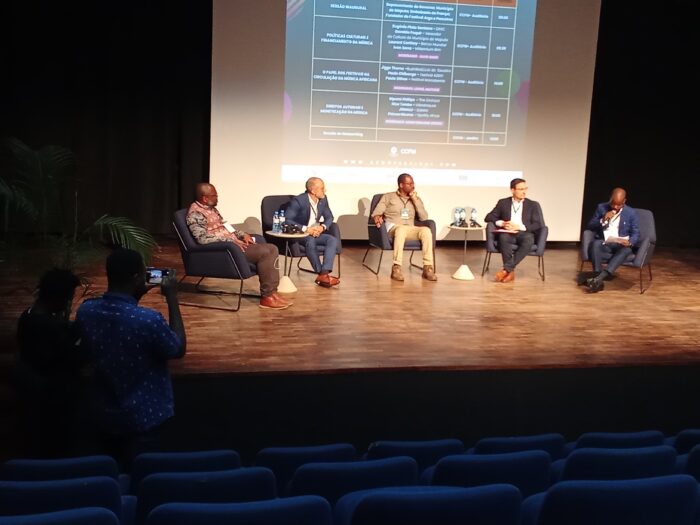
It is from this perspective that at one of the tables of the “Azgodialogar” forum, which has been running from Wednesday to this Friday in the city of Maputo, the speakers advocated for increased sponsorship of arts and culture.
One of them is Eugénio Santana, from the National Directorate of Cultural and Creative Industries, an arm of the Ministry of Culture and Tourism. The speaker highlighted the deficits that compromise the strategic planning and development of the Cultural and Creative Industries (ICC) sector.
This phenomenon is a problem for a sector that is already affected by other problems, including the lack of adequate training for cultural managers. He mentions that more than 70 percent of them operate without specific training.
He gave the example of the discrepancy between the 129 million meticais requested for the 11th National Culture Festival and the mere 30 million allocated by the Government. “This difference makes planning difficult”, denounced Eugénio Santana, highlighting the mismatch between cultural ambition and the resources made available.
Despite the difficulties, some initiatives are seeking to reverse this scenario, at least looking at the municipality of Maputo, represented in the debate by Osvaldo Faquir, councillor for Education, Culture and Sports.
Faquir said that the municipality intends to create a municipal fund for artistic development in order to strengthen the management and collection of local revenue to support the ICC.
On the other hand, Laurent Carthay, from the World Bank, explained that the sector generates more than two trillion dollars in global revenue and employs more than five million people.
He argued that Mozambique, with adequate investment, can follow the example of countries like South Africa, making the ICC a driver of job creation and poverty reduction.
(By Lucas Muaga)