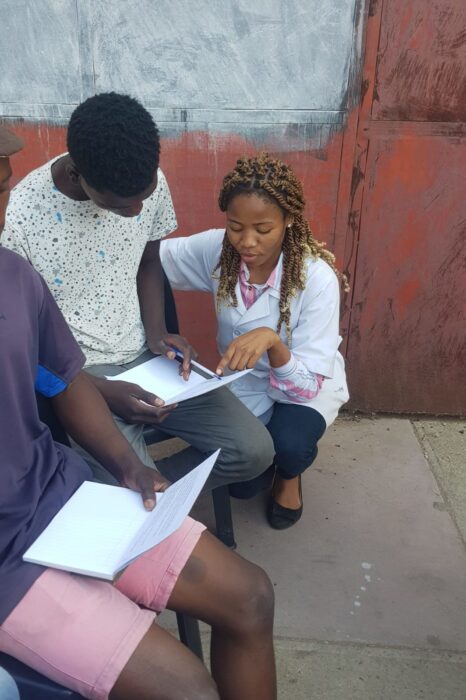
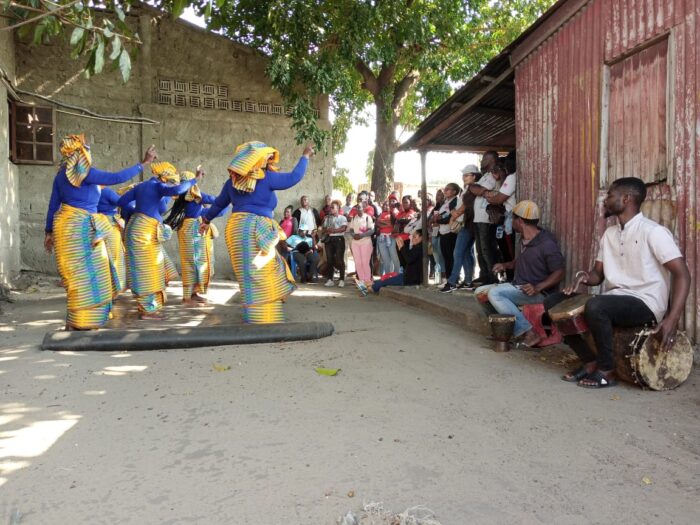
"Educating in times of climate emergency also means training young people capable of understanding the world they face and not giving up on it," emphasizes the academic.
Photo: Catarina Sive
Education is one of the vulnerable points in times when climate change is leaving increasingly devastating impacts. Cyclones, floods, prolonged droughts, and forced displacements have interrupted school paths, keeping thousands of children and young people away from classrooms. This exposes structural weaknesses in the education system, one of the key sectors of any nation.
According to social activist and academic António Chaúque, this situation cannot be seen merely as a logistical or institutional problem; above all, it is a social crisis that demands coordinated responses from families, communities, schools, and public decision-makers.
“When a school closes because of floods or when a family is forced to relocate, the greatest risk is not temporary interruption, but definitive abandonment,” he warns.
In this context, those responsible emerge as the first pillar of containment. Even in situations of material loss, housing instability, or food insecurity, maintaining children's and young people's connection with education becomes an act of resistance. Encouraging a return to school, engaging in dialogue with teachers, seeking temporary learning alternatives, and valuing education as a family priority are attitudes that, according to Chaúque, make the difference between a momentary interruption and the irreversible disruption of the educational trajectory.
However, the responsibility does not fall solely on adults. The students themselves are called upon to assume an active role, developing resilience, discipline, and a sense of purpose in an environment marked by uncertainty.
“Educating in times of climate emergency also means forming young people capable of understanding the world they face and not giving up on it,” emphasizes the academic.
Chaúque further argues that these situations reveal the urgency of an education that goes beyond the formal curriculum. The school must engage with the climate reality, preparing students and families to deal with environmental risks, displacement, and community reconstruction. In this process, those responsible cease to be merely accompanying the student on their educational journey and become active partners in defending the right to education, even in adverse scenarios.