Between Oral Tradition and Writing: “Ualalapi” Gains New Life in Comics
Ualalapi, a classic work by Mozambican writer Ungulani Ba Ka Khosa, originally published in 1987, gains a new interpretation through comics, in an adaptation that blends memory, history, and visual language.
Photo: JN
The novel, one of the most important in Mozambican literature, originated from stories the author heard from his grandparents about the Gaza Empire, in an exercise of transposing oral tradition into writing.
“I followed the path of oral tradition. I heard stories from my grandparents and brought that spirit to the Portuguese language,” recalls the author, explaining that the work seeks to respect the logic and structure of thought in Mozambican languages, even though it is written in Portuguese.
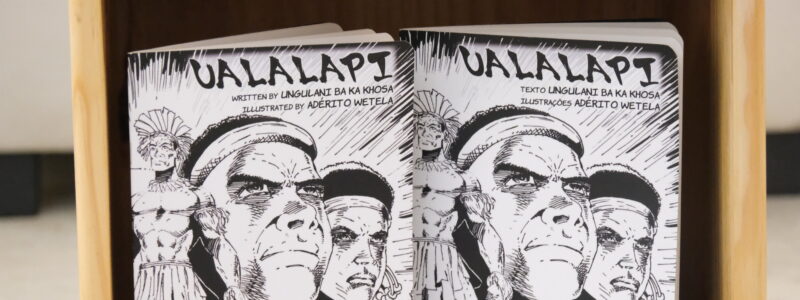
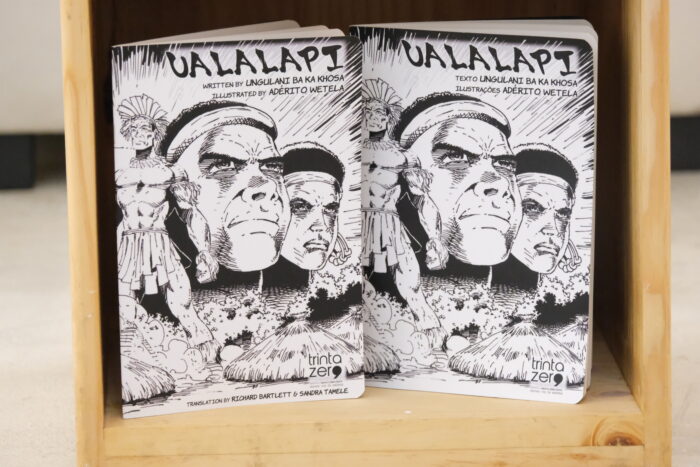
It was from this foundation that the architect and illustrator, Adérito Wetela, affectionately known as Dedé, decided to retell Ualalapi in comics, giving a new aura to the work and expanding its reach among other audiences, especially younger ones. The adaptation is published by Editora Trinta Zero Nove.
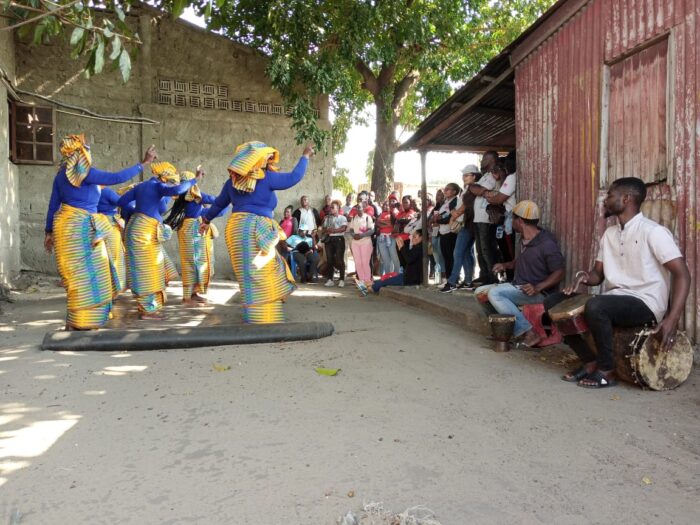
The book launch took place in the district of Marracuene, in the municipality of the same name, at an event moderated by Sandra Tamele, who, in contextualizing the moment, highlighted the importance of visual languages as a point of reference for understanding other forms of communication, including inclusive language. She recalled that, for a long time, these expressions were kept away from the central spaces of knowledge, relegated to "behind the libraries," without due recognition.
The publication is the result of a meeting between three central figures: Ungulani Ba Ka Khosa, author of the original novel; Dedé, responsible for the graphic adaptation; and Sandra Tamele, editor and founder of the space that hosted the launch.
"Ualalapi is a historical novel written by a historian," Ungulani emphasized, situating the work in the political and social context of its publication. "It came out in 1987, at a time when publishing was not simple. There was always the fear of how the book would be received."
According to the author, the book has gained autonomy over the years. “The most important thing is that the book is alive. It no longer belongs to me, it stands on its own,” he said, referring to the work's permanence in the national literary imagination.
The adaptation into comic books was born long before Dedé's academic training. “Ualalapi was made even before I entered college. I always liked to draw and, for a long time, I made stories inspired by Marvel and DC superheroes,” he said.
Over time, he felt the need to tell local stories. “I challenged myself to make our own stories, that reflected our history as Mozambicans,” he explained, adding that the careful reading of the novel was decisive for the creative process. “I read the book several times. I had to get inside the characters and draw exactly what the author wrote.”
For the illustrator, the visual language allows the story to reach readers who often do not have access to the novel.
“There are readers who don't get to the literary text, but they get to the comics. And that is fundamental to creating reading habits,” he emphasized. Ungulani shares the same vision and highlighted the importance of children's and young adult literature and comics in the country.
“It’s sad to see young people reaching the twelfth grade without ever having read a comic book. This book helps to popularize access to reading,” he said, urging parents to prioritize books as a tool for education.