Partnership for the future of adolescent victims of violence.
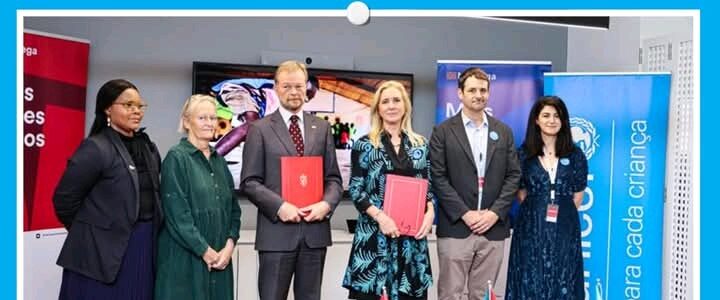
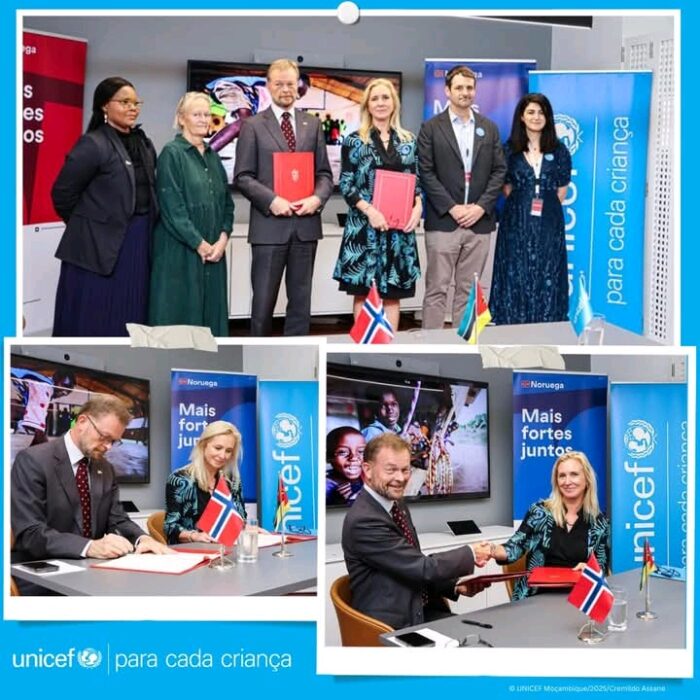
Norway and UNICEF recently strengthened their cooperation in Maputo with the signing of a new agreement aimed at supporting adolescents and young people in the provinces of Cabo Delgado and Nampula, especially those living in contexts of conflict, displacement, and extreme vulnerability.
Foto: UNICEF Mozambique
This is additional funding equivalent to approximately US$3 million, destined for the new phase of the program that will be implemented by UNICEF in coordination with government institutions, civil society, and community organizations. According to the Norwegian ambassador, Egen Thorses, the investment is aligned with the core values of Norwegian foreign policy: the defense of human rights, gender equality, and the promotion of peace.
The ambassador highlighted that thousands of young people in the north of the country continue to face daily risks, including violence, forced recruitment, displacement, and loss of development opportunities. He stressed that, despite these adversities, adolescents retain potential and resilience, characteristics that justify the urgency of interventions that promote protection, stability, and inclusion.
Egen Thorses also emphasized that the primary responsibility for ensuring the well-being and future of Mozambican youth lies with the State. He mentioned that Norway, as a long-standing partner, will continue to provide financial and political support to national efforts, but stressed that results must be led and delivered by the Mozambican government.
The new intervention aims to directly benefit 10,000 vulnerable adolescents and young people, including girls and former children associated with armed forces and groups. Opportunities for training, psychosocial support, community reintegration, and skills acquisition will be provided to facilitate the building of dignified livelihoods. At least half of the beneficiaries will be girls and young women, as they are the most exposed to risks of exploitation, violence, and early marriage.
In addition to the young people directly covered, the program's impact will extend to communities through the Masa digital platform, which already reaches over one million adolescents nationwide, connecting them to essential services, opportunities, and information.
In her speech, UNICEF representative Mary Louise Eagleto highlighted the results already achieved by the partnership.
In recent years, more than 48,000 children have benefited from initiatives that guarantee safe education, protection, and access to social services in Cabo Delgado and Nampula.
131 children previously associated with armed groups have been reintegrated, more than 12,000 have received psychosocial support, and more than 5,000 minors have been registered, guaranteeing their fundamental right to identity.
The UNICEF representative stressed that the new phase of the program reinforces essential areas for the future of youth, including entrepreneurship, digital skills, vocational training, ecological skills, and civic participation. She also emphasized the importance of ensuring that girls and young women have real opportunities for development and leadership.