
In recent years, Mozambicans have learned to live with the unpredictability of nature. Devastating cyclones, prolonged droughts, and flash floods have become recurring themes in national life.
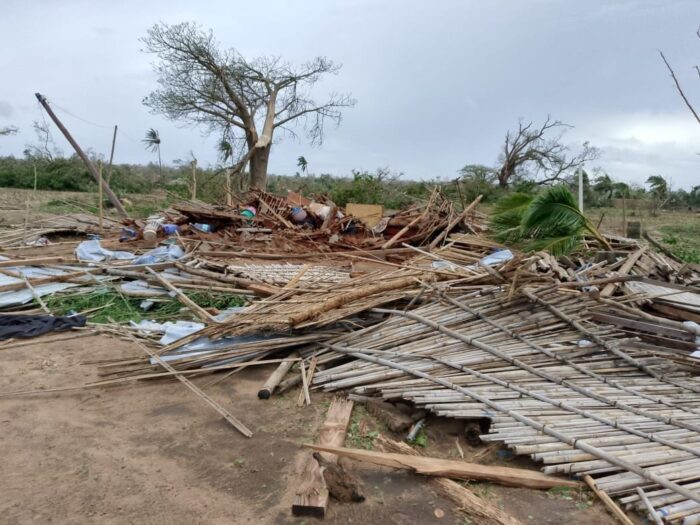
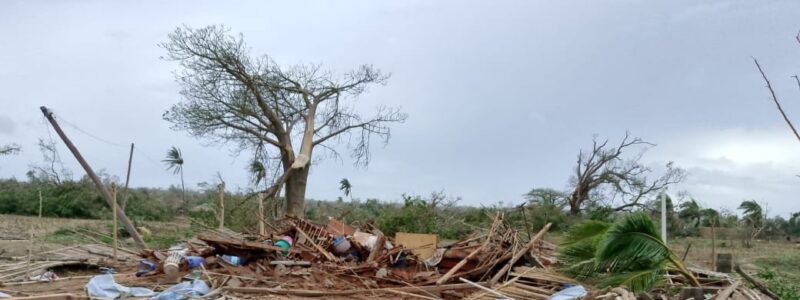
In 2024 and 2025, tropical cyclones Chido, Dikeledi, and Jude hit the north of the country, already weakened by the humanitarian crisis in Cabo Delgado, leaving more than 2.4 million people affected and thousands of infrastructures destroyed.
It is in this context that the National Institute for Disaster Risk Management and Reduction (INGD) has just inaugurated the Situation Room in Maputo, a modern, integrated space connected to regional and continental early warning systems.
The president of INGD, Luísa Meque, emphasized that this room places Mozambique at the forefront of African cooperation in risk prevention.
"We are connected to the African Union and SADC, in a system that allows for multi-hazard advance action, strengthening our response capacity," she stated.
In practice, this means that when a cyclone forms in the Indian Ocean or a prolonged drought threatens crops, alerts will arrive sooner and the response can be organized more quickly and effectively. For communities living between hope and fear with each new rainy season, this difference can mean saved lives, less destruction, and greater resilience.
The modernization of the Situation Room is part of the "Ready to Act" program, funded by Italian Cooperation with assistance from the CIMA Research We-World Foundation and guidance from the Italian Department of Civil Protection. In addition to Maputo, a pilot room in Beira strengthens the connection between the national, provincial, and local levels, ensuring greater fluidity in communication.
At the inauguration, the Italian Ambassador, Gabriele Annis Philip, recalled the 50 years of cooperation between the two countries and emphasized:
"We are not just donors, we are partners. We are here to build, step by step, a safer and more sustainable future."
Italy's experience in disaster management, consolidated after the 1980 Irpina earthquake, is now inspiring solutions that Mozambique is adapting to its own reality.
Behind the technology and diplomacy, what's at stake is the future of millions of Mozambicans. Farmers who depend on rain to plant crops, families living in vulnerable coastal areas, children who see school interrupted every time a storm hits the country—all will benefit from a system that promises to reduce risks and protect lives.
With the new Situation Room, the country takes a decisive step toward transforming vulnerability into preparedness. An investment that doesn't eliminate natural phenomena, but allows us to face them with greater organization, fewer losses, and more hope.
(By Renaldo Manhice)