
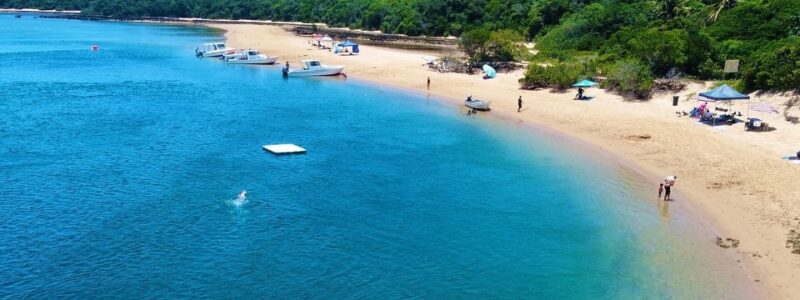
In Mozambique, few landscapes convey this spirit as well as Inhaca Island, the jewel that, just 32 kilometers from the city of Maputo, holds a natural and historical treasure that deserves to be contemplated with the eyes of a traveler and the heart of a guardian.
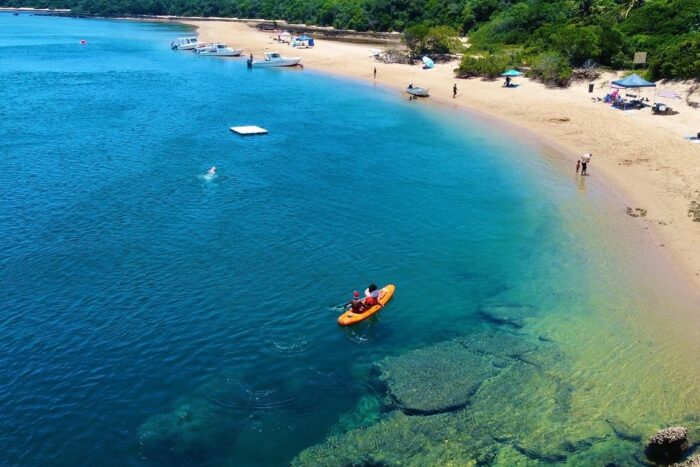
Small on the map – just 42 square kilometers – Inhaca stands out for the sheer magnitude of its biodiversity: over 12,000 cataloged species, 150 corals, 300 birds, and four turtle species find their birthplace there. Its coast, protected as a complete reserve, is home to consolidated dunes where the vegetation resists the Indian Ocean's blast, and the neighboring Island of the Portuguese, formerly called Island of the Elephants, completes the picture of a sanctuary that is, at the same time, a living laboratory for the Marine Biology Station of Eduardo Mondlane University.
Inhaca also carries memories of encounters and exchanges. In the 16th century, newly arrived Portuguese established a trading post there, making the Tsonga people mediators in the ivory trade with the Zulus. Centuries later, in 1892, the title of Baron of Inhaca sealed a chapter in colonial history that echoes silently in the ruins and oral histories of the island.
Visiting the island is accepting the invitation to walk among memories and reefs, listening to the murmur of the sea as if listening to time itself. On this World Tourism Day, Inhaca reminds us that traveling is also about protecting: every step on the sand is a promise of preservation.
(By MozaVibe)