
Founded in 1960, the Niassa Reserve is considered Mozambique's largest conservation area. It stretches from the majestic Rovuma River, on the border with Tanzania, to the Lugenda River, which winds through its plains.
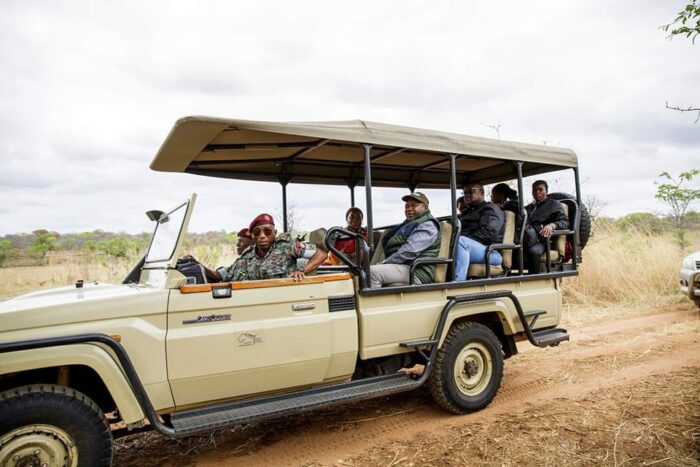
After months of silence imposed by armed violence in Cabo Delgado, life is pulsating again in the Niassa National Reserve.
Tourism, which had been interrupted by the terrorist attacks that have ravaged the northern region of the country since 2017, is now beginning to resume its natural course, restoring hope to local communities and Mozambique's natural heritage.
According to the reserve's administrator, quoted by Rádio Moçambique, the return of several communities to their homelands after long periods of displacement has created the conditions for tourism to regain its footing and once again welcome national and international visitors.
Founded in 1960, the Niassa Reserve is considered the largest conservation area in Mozambique. It stretches from the majestic Rovuma River, on the border with Tanzania, to the Lugenda River, which winds through its plains.
The landscape is marked by imposing mountains, such as Mecula and Jodo, and gigantic granite inselbergs that house cave paintings, sacred symbols for the communities that have inhabited the region for centuries.
More than just territory, Niassa is a wildlife sanctuary. Its vast ecosystems are home to lions, leopards, elephants, rhinos, and buffaloes, among many other species, making this reserve a jewel of African biodiversity.
In the buffer zone between the reserve and the surrounding villages, the Lugenda Wildlife Reserve (Luwire) was created, a pioneering tourism investment that opens Niassa's doors to the world. Prepared to welcome visitors from all corners of the globe, this initiative not only promotes sustainable tourism but also strengthens the link between environmental conservation and community development.
(By MozaVibe)