

In the country, lemon balm is found in informal markets, urban backyards, and rural areas, often used outside a formal prescription framework.
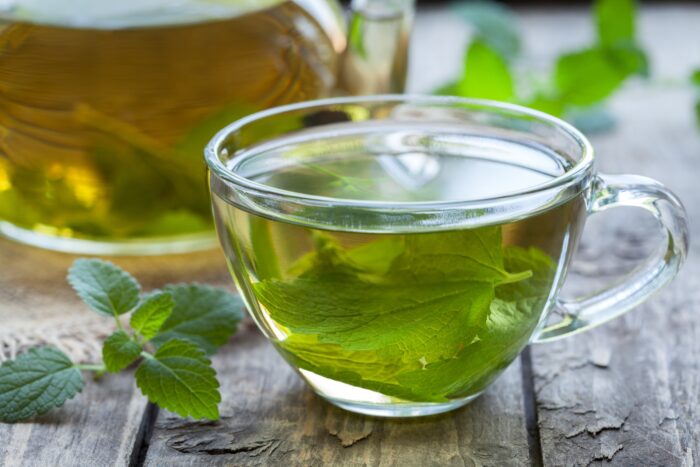
Lemon balm (Melissa officinalis) has been used for centuries in popular health practices, particularly in the context of therapeutic infusions. In Mozambique and other regions with a tradition of herbal medicine, the use of this plant spans generations and is often associated with relieving symptoms related to stress, insomnia, digestive disorders, and mild anxiety.
However, as the field of integrative health gains ground in contemporary health agendas, lemon balm is beginning to be the subject of studies seeking to assess its real benefits based on scientific criteria.
The plant belongs to the Lamiaceae family and is rich in compounds such as flavonoids, phenolic acids, and essential oils, including citral, geraniol, and citronellol, whose action has been linked to calming and antioxidant effects. From the perspective of digestive health, lemon balm has been indicated as an adjunct in the treatment of functional dyspepsia, nausea, and colic.
Its carminative action—that is, promoting the elimination of intestinal gases—is recognized by natural medicine professionals and therapists specialized in herbal medicine, and it is recommended in controlled doses, usually combined with other plants with similar effects, such as chamomile or mint.
The World Health Organization (WHO), within the framework of its traditional medicine strategy, has been encouraging states to integrate evidence-based practices into the public health system. In this context, the use of plants must be accompanied by safety protocols, quality control, and proper training for technicians and caregivers. The risk of interactions with conventional medications also requires attention, especially in patients with chronic conditions or those on prolonged use of anxiolytics and sedatives.
In the country, lemon balm is found in informal markets, urban backyards, and rural areas, often used outside a formal prescription framework. The absence of specific regulations for medicinal plants poses challenges for health surveillance and the promotion of safe and rational use. However, its popularity points to a still underexplored potential for integrating local knowledge with public well-being policies.
(By Rafael Langa)