
Located in the province of Cabo Delgado, within the Quirimbas National Park, Medjumbe is part of a marine conservation area that includes around 30 islands and sandbanks.
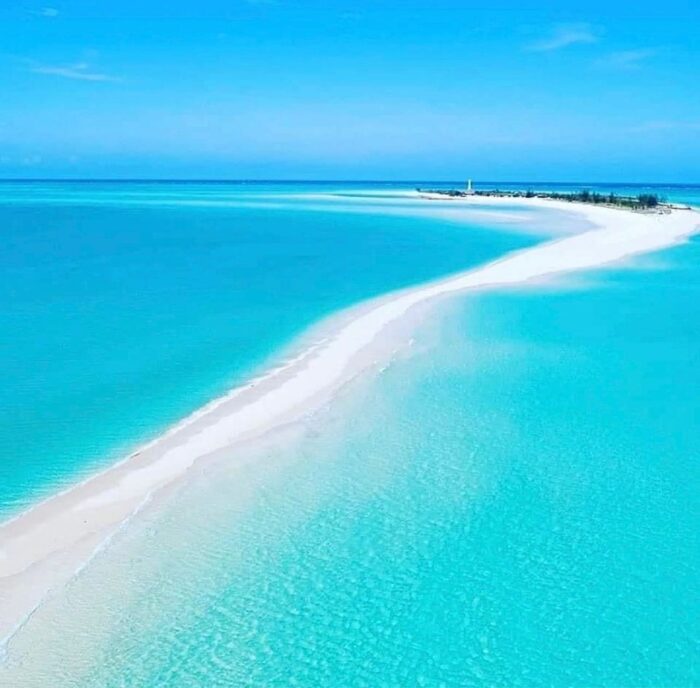
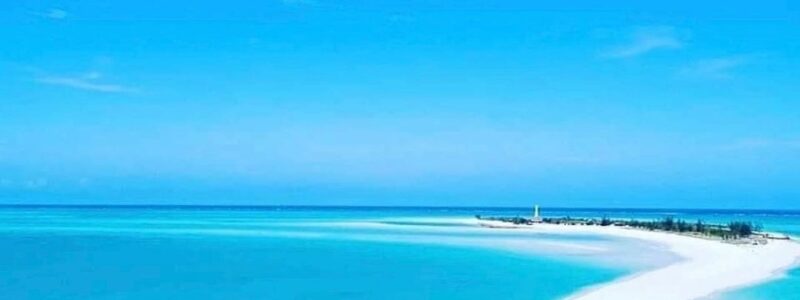
At the far north of Mozambique, where the Indian Ocean blends with the silence and natural splendor of the Quirimbas Archipelago, lies Medjumbe Island, a small strip of land surrounded by coral reefs, translucent waters, and nearly untouched biodiversity.
With just one kilometer in length, Medjumbe is one of the finest examples of sustainable luxury tourism in Mozambique.
Located in the province of Cabo Delgado, within the Quirimbas National Park, Medjumbe is part of a marine conservation area that includes around 30 islands and sandbanks. Its privileged geographic position and natural isolation contribute to a tourist experience that values exclusivity, direct contact with nature, and escape from mass tourism circuits.
Access to the island is via Pemba city, by plane, followed by a short boat or helicopter trip. This travel arrangement, designed to preserve the environment and the destination's profile, is also one of the reasons why Medjumbe remains a secluded place, frequented mainly by travelers seeking tranquility and international-standard comfort.
The island’s main tourism enterprise is the Anantara Medjumbe Island Resort, a luxury resort with only 12 private villas, each featuring a private pool, panoramic terrace, direct beach access, and unobstructed views of the Indian Ocean. With a personalized approach, the resort focuses on exclusivity, excellent service, and tailored experiences.
Beyond the high-end accommodation, Medjumbe offers a wide range of water activities. The reefs around the island are ideal for diving, allowing observation of live corals, tropical fish, and other marine species. Being part of a protected marine area, the island follows strict environmental rules to ensure the preservation of its natural resources.
Medjumbe is recognized as a nesting site for sea turtles and a habitat for various migratory birds and endemic species. The resort’s operations align with responsible tourism principles, including proper waste management, rational water use, environmental training for staff, and cooperation with regional conservation initiatives.
Medjumbe also has a direct impact on nearby communities, especially in the coastal areas of Cabo Delgado. The tourism enterprise creates jobs for local residents, promotes hospitality training, and enhances the international recognition of northern Mozambique as a destination of excellence.
The controlled tourist presence, limited hotel construction, and environmental commitment make the island a reference for sustainable tourism policies in the country.
At a time when international tourism increasingly values isolated, safe, and nature-integrated destinations, Medjumbe emerges as a strategic asset in Mozambique’s tourism portfolio. Unlike overcrowded destinations, Medjumbe remains almost anonymous on the mass tourism radar — and perhaps that is its greatest asset: a place where time slows down, technology remains discreet, and nature still sets the pace of life.
(By Rafael Langa)