
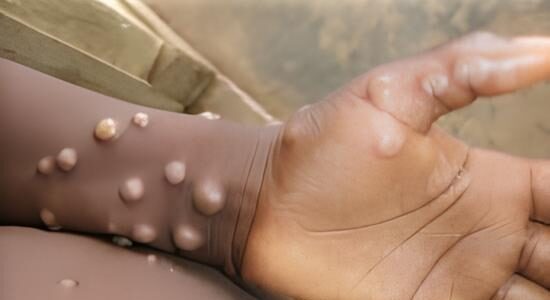
Also known as Monkeypox, Mpox has spread to countries such as the United States, the United Kingdom, Spain, Brazil, and Portugal, among others.
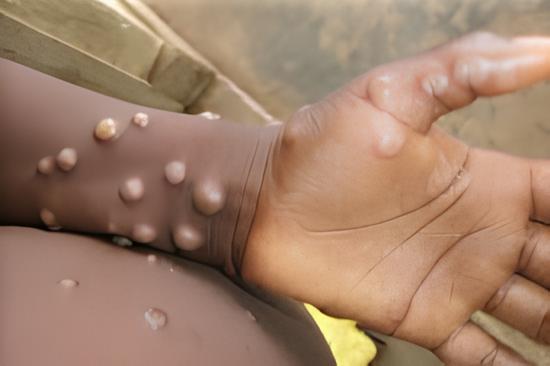
Following the COVID-19 pandemic, the world once again faced a new health threat: Mpox. Although more subdued, the disease has been appearing in various parts of the world since 2022, no longer being exclusive to the African continent.
Also known as Monkeypox, Mpox has spread to countries such as the United States, the United Kingdom, Spain, Brazil, and Portugal, among others. According to the World Health Organization (WHO), more than 100 countries have reported cases of the disease since 2022, including many that had never previously recorded infections. The severity and rapid spread of the disease led the WHO to declare Mpox a public health emergency of international concern in July 2022, a status that was later lifted in May 2023.
Mpox is a zoonotic viral disease, meaning it is transmitted from animals to humans. It was first identified in humans in 1970 in the Democratic Republic of the Congo. In Mozambique, the first positive case was confirmed in 2022, in Maputo province. Currently, the country is facing a localized outbreak in Niassa province, Lago district, where 17 positive cases have been confirmed to date. Of these, seven are female and the remainder are male, with ages ranging from 17 to 38.
All patients are in home isolation, with stable clinical progress. The recommended isolation period is 21 days.
Symptoms of MPOX:
The disease initially manifests with nonspecific symptoms such as: fever, headache, swollen lymph nodes (in the jaw, neck, armpits, or groin), back pain, and general weakness. Subsequently, a characteristic rash (pimples) develops, which can appear on the face, trunk, hands, feet, and, in more recent cases, in the genital and perianal areas.
Recommended Preventive Measures
Health authorities recommend:
- Strengthening individual and collective hygiene;
- Avoiding physical contact with infected people and infected animals;
- Do not share clothing, sheets, or towels of infected people without using protective equipment;
- Cleaning and disinfecting potentially contaminated surfaces;
- Vaccination of at-risk groups (direct contacts of positive cases, healthcare workers, and frontline workers).
- Mass vaccination is not currently recommended due to limited access to the vaccine, whose global distribution is being coordinated by the WHO and the Africa CDC.
(Joana Mawai)