
Investing in environmental education is crucial to preparing communities against the impacts of climate change and extreme weather events.
Talking about environmental education is, above all, about valuing people and communities. In villages and peripheral neighborhoods, simple initiatives—such as recycling workshops, school gardens, and water conservation—can transform environmental awareness into concrete actions.
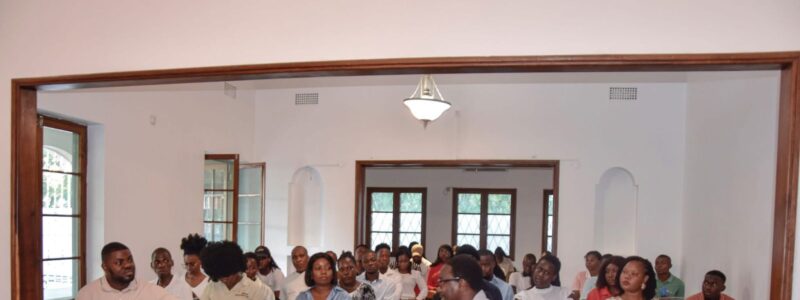
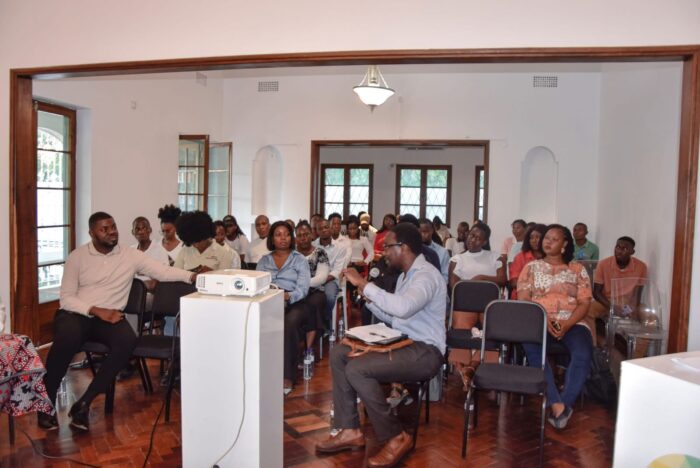
It was with this spirit that the association O Meu Oceano and the Mozambican-German Cultural Center recently promoted a debate with experts on strengthening community resilience in Mozambique. The meeting highlighted that environmental education, by going beyond the classroom, transforms realities.
If, on the one hand, "when environmental education reaches outside the capital, it transforms realities and forms critical consciences," as stated by Nélia Benedita of Eco-Acção, on the other hand, "it creates dialogue, brings people closer together, and strengthens the feeling that everyone is part of the solution," added Manuel Maloa.
Cláudia Machaieie, another participant, reinforced that these practices can be seen as tools for social inclusion, especially since, in addition to preservation, the debate addressed waste management and the 3Rs (reduce, reuse, recycle) as income-generating opportunities.
The meeting made it clear that investing in environmental education is crucial to preparing communities against the impacts of climate change and extreme weather events.
(By Renaldo Manhice)