
Noémia de Sousa (1926–2002) “resurrected” and returned to Mafalala through the programming of the museum with the same name in that neighborhood of Maputo city, which is historic for, among other things, having welcomed her.
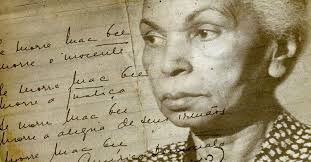
Through poems she wrote from her time there, from the colonial period until her death in Portugal in 2002, she became one of the greatest voices in Mozambican poetry, as illustrated by the Mafalala Museum, which commemorates and honors her on the centenary of her birth. It does so with activities that demonstrate how her poetry, written predominantly between 1948 and 1951, is nationalist, exalting African identity and denouncing colonial oppression, as seen in her book "Sangue Negro" (Black Blood).
The "mass" for the considered "mother of Mozambican poets" includes music, gastronomy, cinema, and visual arts. The first session was this week with the Mafalala Film Club - Our Heroes - with the screening of the film "Mafalala Blues," by Camila de Sousa and photographer Mauro Pinto, produced by Ébano.
The 24-minute work, from 2010, is described as a photographic intervention and installation that explores the historical and cultural memory of Mafalala. It pays homage to Noémia de Sousa (Camila's great-aunt), using the house where she lived on Goa Street as a central point to reflect on Mozambican identity and colonial resistance.
The other film screening, taking place on the 25th, features the film "Chibanga" by Thomas Behrens, a documentary about the Mozambican Ricardo Chibanga (1942-2019), the first African and black bullfighter who, in the 1960s, was one of the most famous in the world, especially in Portugal and Spain.
The final celebration will be on February 26th, when Juvenil Lezile, an artist from Niassa, will inaugurate the sculpture exhibition "The Body that Guards the Absent," curated by Ivan Laranjeira, director of the space.
With her work scattered across various newspapers and magazines, Noémia de Sousa began by publishing in the newspaper "O Brado Africano". Born in Catembe, Maputo, she also distinguished herself as a journalist and activist.
(By Lucas Muaga)