
...cooperation during floods is also an expression of international solidarity.
Every year, during the rainy season, Mozambique suffers the severe impact of floods. The scene is devastating: submerged houses, destroyed agricultural fields, cut roads, and thousands of displaced families. This reality challenges not only the internal response capacity but also the architecture of international cooperation.
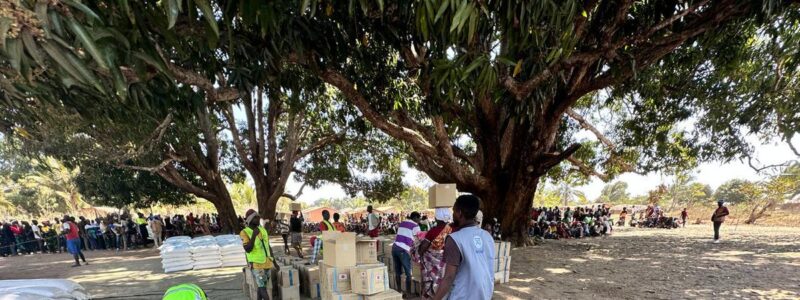
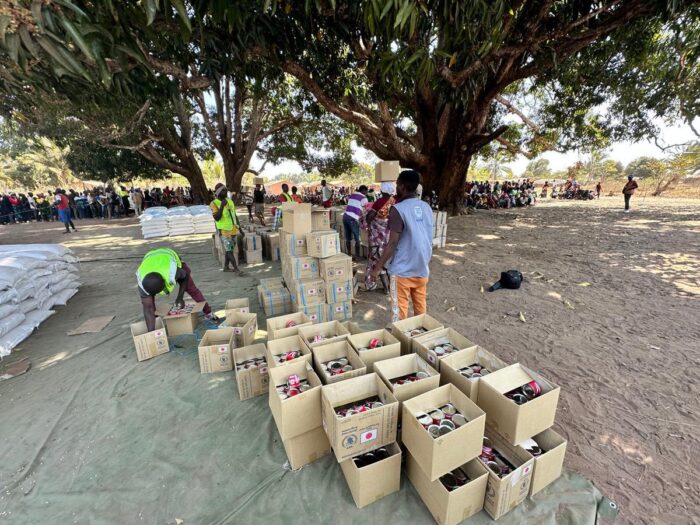
Faced with these events, the country serves as an example of solidarity that does not surrender to geographical limits. Multilateral and bilateral partners and humanitarian organizations mobilize resources, technical assistance, and emergency aid, in an act that is not limited to the mere delivery of goods. It involves a complex mechanism of coordination, planning, and reconstruction.
Among the main partners are the United Nations agencies, such as the World Food Programme, which provides emergency food assistance, and UNICEF, for children and with interventions in the areas of water, sanitation, child protection, and education in crisis contexts. Also playing a significant role is the International Organization for Migration (IOM), which has also been central to managing temporary accommodation centers and supporting internally displaced persons.
Financially, the World Bank and the African Development Bank have supported programs for the reconstruction of resilient infrastructure, including roads, drainage systems, and bridges. These investments go beyond immediate response, focusing on disaster risk reduction and adaptation to climate change.
Countries such as Portugal, South Africa, the United Kingdom, China, India, Brazil, Sweden, Norway, Botswana, Zimbabwe, Rwanda, and Angola channel various forms of aid into food, support for flood victims, and other state budget allocations or specific emergency and recovery programs.
International non-governmental organizations complement the response with shelter kits, medical assistance, water purifiers, and awareness campaigns for the prevention of diseases such as cholera and malaria, as well as essential food items, often associated with floods.
Beyond the numbers and financial reports, cooperation during floods is also an expression of international solidarity. However, the real challenge lies in transforming each emergency into an opportunity for institutional strengthening, proper urban planning, and investment in resilient infrastructure.
(By Joana Mawai)