
Guidwane is a small island located in the province of Inhambane, in the district of the same name. It is located near Barra beach, east of the provincial capital — the city of Inhambane — and Linga Linga, to the west.
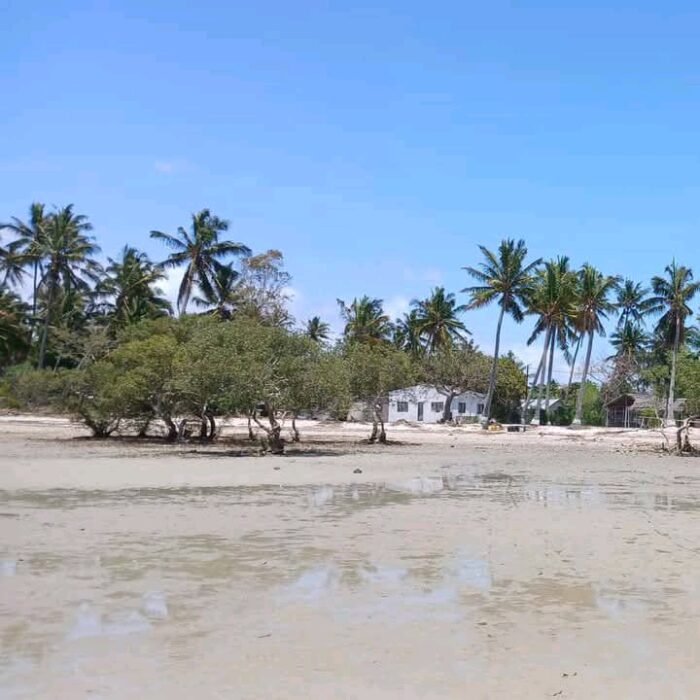
Besides the name Guidwane, it is also known as Inhagoia Island and Pig Island. The name "Pig Island" arose due to the pig farming that existed there in the past.
The population survives mainly through fishing and small businesses. The most spoken language is Guitonga.
During the 16-year war, which claimed countless lives throughout the country, many sought safe havens—not always successfully.
In the city of Inhambane, especially in rural neighborhoods like Siquiriva, Salela, and Josina Machel (currently part of developed areas like Tofo and Barra), residents saw Guidwane as a safe haven to escape death.
According to testimonies from people who took refuge on the island, the "matchangas" (popular term for enemy combatants) could not reach it because they lacked the proper equipment to cross the sea.
In other words, the armed enemies had no possibility of accessing the island. They could have considered visiting or attacking the place, but they lacked strategies and vessels. If they tried, death would be certain—they would be immediately attacked. Therefore, they never managed to invade Guidwane.
Thus, the island's population increased significantly. After the war ended, many families decided to remain there, where they live to this day.
Currently, Guidwane is not only a historical place but also a tourist destination. Furthermore, it is a land rich in shellfish, attracting traders who frequently buy dried fish and other products to resell in other parts of the province or the country.
(By Dom Dique)