
Moringa possesses anti-inflammatory, antioxidant, hypoglycemic, and hepatoprotective properties. Trials conducted in African contexts show that the controlled introduction of moringa leaves into the diet can contribute to improving hematological markers.
Moringa (Moringa oleifera), a plant native to the Indian subcontinent and widely spread across tropical and subtropical regions, has been gaining prominence in the field of health and wellness due to its dense nutritional profile and therapeutic versatility. In Mozambique, where food insecurity and micronutrient deficiencies remain public health challenges, Moringa is gradually being incorporated into community practices of dietary supplementation and local-based interventions.
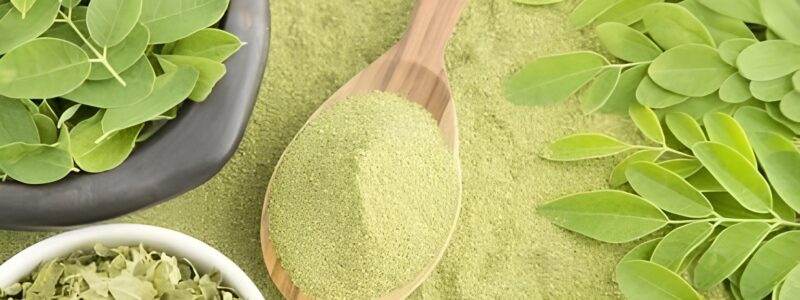
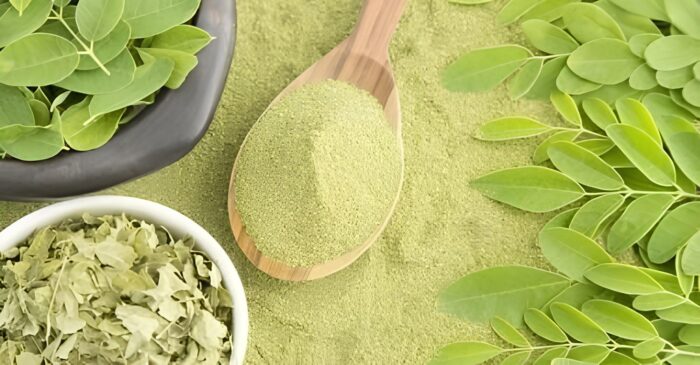
All parts of the plant are considered useful: leaves, seeds, pods, roots, and flowers. The leaves, in particular, are rich in protein, iron, calcium, potassium, magnesium, zinc, vitamin A, and vitamin C, making them a strategic resource to combat nutritional deficiencies, especially among vulnerable populations such as children, pregnant women, and people living with HIV/AIDS.
Moringa possesses anti-inflammatory, antioxidant, hypoglycemic, and hepatoprotective properties. Trials conducted in African contexts show that the controlled introduction of moringa leaves into the diet can contribute to improving hematological markers. The antioxidant action, attributed to the presence of phenolic compounds and flavonoids, has also been associated with cellular protection against degenerative processes.
In the area of food security, community-based organizations and development projects have promoted the home cultivation of moringa as a strategy for nutritional self-sufficiency. The plant adapts to poor soils, requires little water, and can be harvested in short cycles, making it especially viable in semi-arid areas. Mozambique has favorable agroecological conditions for the expansion of this crop, although its promotion still depends on awareness campaigns, technical training, and studies for standardizing its use.
The Food and Agriculture Organization of the United Nations (FAO) recognizes moringa as a plant with high nutritional value and promising potential for contexts of nutritional poverty. However, it recommends that its consumption be part of a diversified diet strategy, as excessive concentrations of certain components, such as iron, may pose risks in specific cases, requiring professional guidance.
(By Rafael Langa)