


Watermelon, scientifically known as Citrullus lanatus, is a refreshing fruit associated with summer. The fields of nutrition and dietetics have highlighted the multiple benefits this tropical fruit offers the human body, positioning it as a strategic food for promoting health and preventing chronic non-communicable diseases.
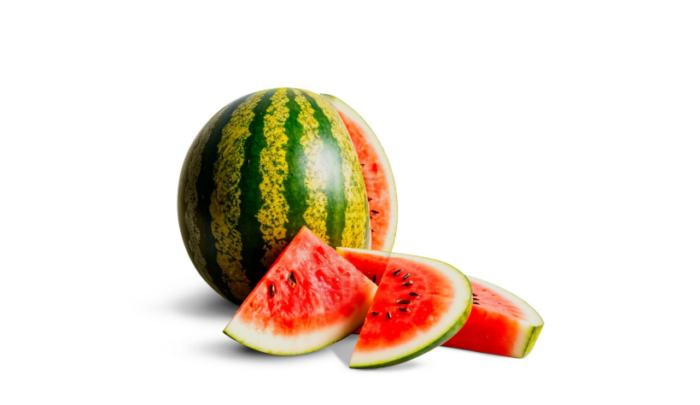
Composed of approximately 92% water, watermelon is one of the fruits with the greatest natural hydration potential, recommended by clinical nutrition experts for individuals exposed to hot climates or who engage in intense physical activity. This high water concentration contributes to fluid and electrolyte balance and helps maintain blood pressure within normal parameters.
Another notable feature is the presence of lycopene, a carotenoid with strong antioxidant properties, responsible for the reddish color of the flesh. Lycopene has been extensively studied for its ability to reduce oxidative stress, protect cells against damage caused by free radicals, and contribute to reducing the risk of cardiovascular disease and some types of cancer, especially prostate cancer.
Nutritionally, the fruit also contains vitamins A, B6, and C, minerals such as potassium and magnesium, small amounts of dietary fiber, and bioactive compounds that strengthen the immune system, contribute to skin health, and help regulate intestinal transit. In the field of preventive nutrition, watermelon can be considered a low-calorie food, with approximately 30 calories per 100 grams, making it suitable for weight management regimens without compromising the intake of essential nutrients.
Despite its benefits, nutritionists recommend balanced consumption, especially for individuals with glucose metabolism restrictions, as the fruit has a moderate glycemic index and can impact the glycemic response in people with uncontrolled diabetes. By combining flavor, lightness, and functional properties, watermelon establishes itself as a seasonal fruit of gastronomic pleasure, but also as a natural tool for promoting well-being, reinforcing the principle that a balanced diet remains one of the most solid foundations of human health.
(By Rafael Langa)