

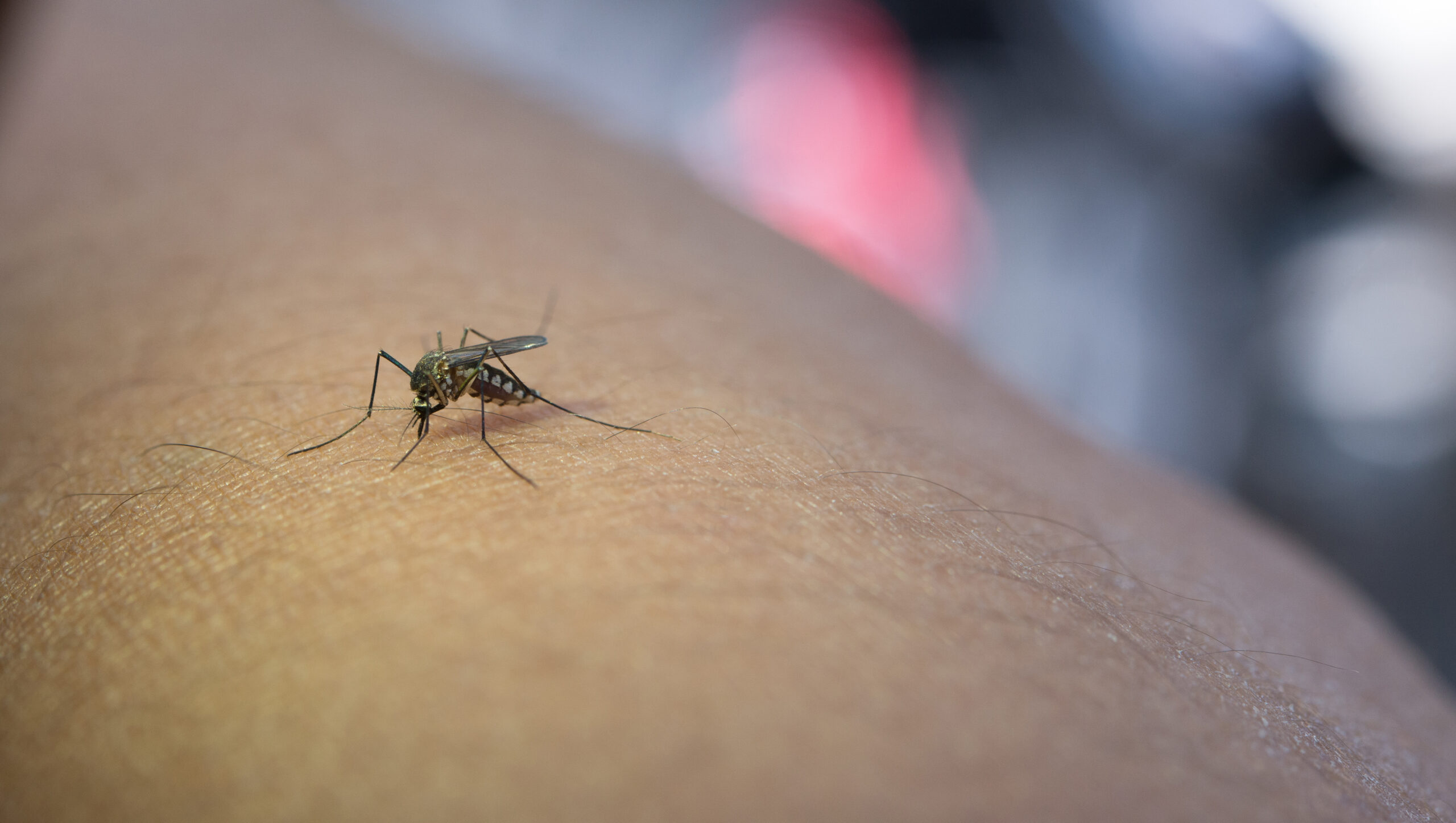
Although southern Mozambique is considered a region with a low prevalence of malaria, recent research conducted by the National Institute of Health (INS) reveals significant weaknesses in prevention, diagnosis, and knowledge about the disease, especially among women of reproductive age and children under five years old.
The research, which took place between November 2023 and May 2024, covered the provinces of Maputo and Gaza, coinciding with the period of highest malaria transmission.
Methodologies such as rapid tests, hemoglobin measurement in children, and collection of blood samples for laboratory analysis were applied.
The study was conducted by the INS in collaboration with the National Malaria Control Program and was funded by the Government and the Global Fund.
The research results reveal worrying indicators. The overall prevalence of malaria in the southern region is 4.3%, with Gaza having the highest level at 7%, followed by Maputo Province at 1.7%, and Maputo City at 1.2%.
Although the rates are relatively low, prevention and treatment indicators are far below those recommended by the World Health Organization (WHO).
According to the INS (National Institute of Health), it was expected that all households would have at least one mosquito net for every two people, but the results show that this number is well below the ideal.
Another worrying piece of data concerns the testing of children with fever in health units. All febrile children arriving at health services should be tested for malaria; however, practice shows that many are not tested.
Preventive treatment for pregnant women also has weak coverage. The protocol recommends that pregnant women receive at least three doses of intermittent preventive treatment, but the data show that few complete the cycle, which increases the risk of complications during pregnancy.
The study also assessed women's level of knowledge about malaria, including aspects related to transmission, prevention, and treatment. It was found that the higher the level of education, the greater the likelihood of access to correct information about the disease. However, even among women with higher levels of education, knowledge remains below the desired level.
Television was identified as the primary source of information, while other media, such as community radio, health units, and in-person campaigns, have little impact.
(By Joana Mawai)