Malnutrition remains "chronic" in the Central and Northern regions
Chronic malnutrition continues to be one of the main public health challenges in Mozambique, especially in the Central and Northern regions.
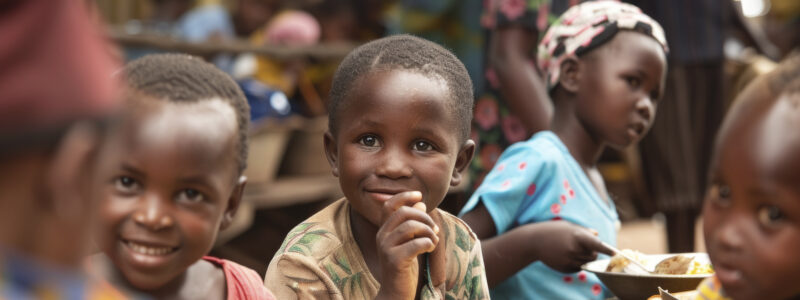
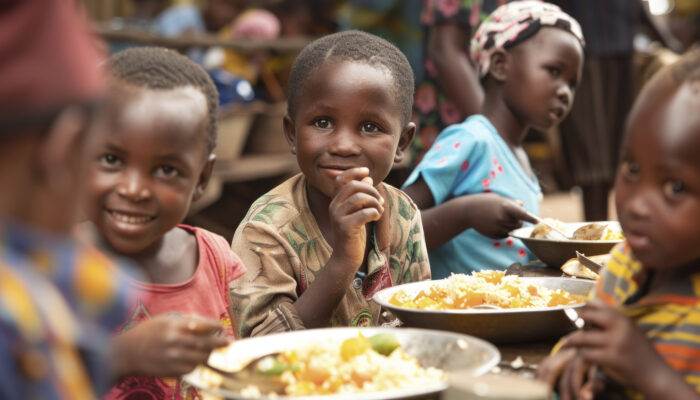
Photo: Freepik
The condition mainly affects pregnant women and children under five years old, with the highest incidence in the provinces of Cabo Delgado, Nampula, and Sofala.
Recent data reveals that four out of ten Mozambican children suffer from chronic malnutrition, an alarming number that reflects the severe impact of poverty and food insecurity on child development.
According to the Foundation for Community Development (FDC), in coordination with the United Nations Children's Fund (UNICEF), the persistence of this situation is associated with several factors, including weak intersectoral coordination, the absence of defined budgets for nutritional activities, and the lack of nutritional targets and indicators in local plans.
In response, the FDC and UNICEF advocate that the country should integrate nutrition into national and local planning instruments, establishing specific budgetary targets for each sector.
Both organizations also emphasize the importance of strengthening coordination between different state institutions and expanding community-based nutritional programs to ensure greater reach and impact among the most vulnerable communities.
Another measure considered essential is strengthening cooperation with national and international organizations, with the aim of mobilizing more financial resources to combat malnutrition.
For Graça Machel, President of the Board of Directors of the FDC, it is urgent to transform nutrition into a strategic priority for the country's development.
“Science has already proven it. Now, are we going to continue repeating the principles and what science says, or are we going to start imagining what that means in our practice in 2025? I choose not to just repeat the principles,” she stated.
The social activist also highlighted the importance of nutritional education as a tool for behavioral change, especially among families with young children.
The FDC warns that the costs associated with combating malnutrition have increased, affecting not only the health sector but also the social and economic productivity of the country.
The organization emphasizes that nutrition is a determining factor for development, as it directly influences production capacity and performance in various spheres of the national economy. Therefore, food and nutritional insecurity represents a structural challenge that limits Mozambique's sustainable progress.
The National Food and Nutritional Security Information System (SETSAN) considers investing in nutrition to be investing in the country's future, since a well-nourished population shows better school performance, greater productivity, and contributes to economic growth.
According to SETSAN, "investing in nutrition is an act of social justice," as it guarantees all children and families real opportunities for development, reduces inequalities, and strengthens the country's capacity to progress.
Despite the existence of policies and programs aimed at food and nutritional security, their implementation continues to face obstacles, namely the lack of adequate funding and the need for a more integrated approach with greater inter-institutional commitment.
Experts argue that only through coordinated action, sustainable funding, and ongoing nutritional education will it be possible to reduce chronic malnutrition and promote a healthier future for the next generations of Mozambicans.