
Teacher training is, today more than ever, a reflection of Mozambique's future.
In a country that built its educational system amidst colonial ruins and the ambitions of an independent state, the debate about the profile and preparation of educators remains central to social and human development.
Education, after all, is not just about textbooks and curricula; it's about people capable of teaching, inspiring, and transforming realities. Academic Brígida Singo recalls that, during the colonial period, the teacher training process was limited and unequal, often dissociated from true pedagogical practice.
“Didactic knowledge did not always prevail. It was the will, effort, and commitment of the people that sustained the construction of our National Education System.”
For the academic, the present demands a new architecture in teacher training, capable of eliminating the variations and inconsistencies that still mark the sector.
“We need a solid, coherent, and modern model that guarantees a uniform standard of quality. Education cannot continue to depend on goodwill; it must depend on competence and vision.”
With a careful reading of the metamorphoses of national education, Sarifa Abdul adds that the post-independence period represented a profound turning point.
“The education of the new man marked an era of reconstruction and hope. However, the urgencies of that time prioritized quantity over quality,” she recalls.
Today, according to the academic, the country faces a different, more structured, but equally challenging scenario.
“We have quality and quantity, but we lack intelligent management of these gains, with policies and reforms that consolidate them.”
Teaching is not just a technical profession, but an ethical commitment to the future. The teaching profession today demands educators who understand the country's cultural diversity, who integrate technologies, and who know how to guide students towards critical and autonomous thinking—essential conditions for a Mozambique that aspires to be innovative and socially balanced.
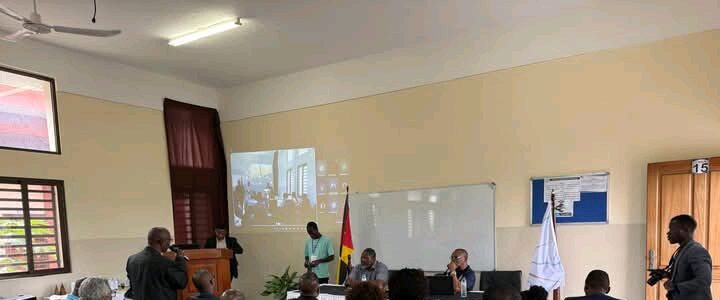
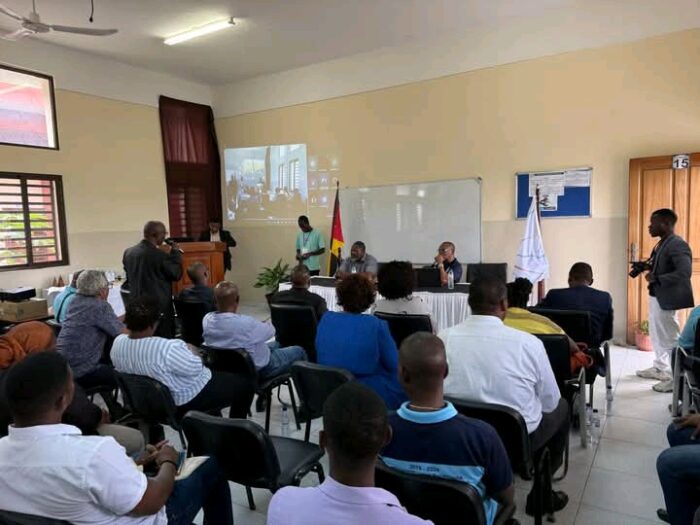
These reflections recently gained traction during the Roundtable on “Challenges and Perspectives in Teacher Training in Mozambique in the Post-Independence Period,” a gathering of voices that reaffirmed the urgency of a new pact for education, educators who teach with science, train with awareness, and inspire with soul.
(By Rafael Langa)