

The objective is to promote a critical reinterpretation of cultural production and stimulate contemporary creation based on these memories.
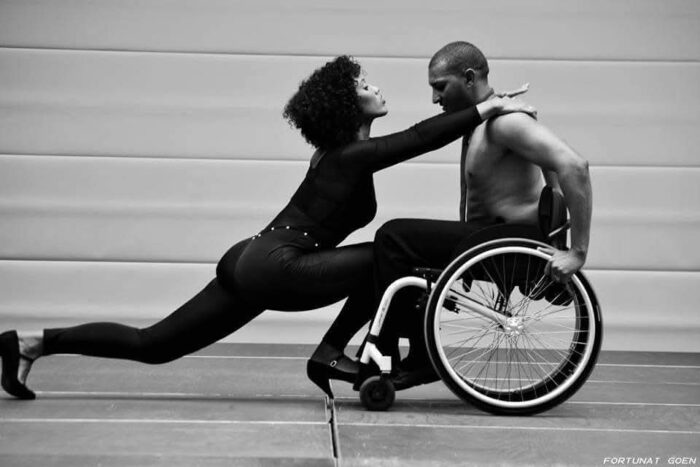
An artistic residency recently launched in Maputo, bringing together 16 young emerging artists from Mozambique, Angola, Cape Verde, Guinea-Bissau, Portugal, São Tomé and Príncipe, and East Timor.
The initiative is part of the "Resistance and Cultural Affirmation" project, which investigates and recreates artistic manifestations that occurred during the colonial liberation processes of the Portuguese-speaking countries (PALOP) and East Timor, as well as during the anti-fascist struggles in Portugal. The goal is to promote a critical reinterpretation of cultural production and stimulate contemporary creation based on these memories.
The residency is the result of a partnership between the Scala Cultural Association and Khuzula. More than one hundred applications were received from the seven countries involved, from which the 16 participating artists emerged.
For three weeks, these creators will combine the languages of theater, music, dance, and poetry, culminating in a final multidisciplinary performance that will bring together more than 50 actors, including Mozambican musicians and technicians. The result will be filmed and documented and will be included on the CASA digital platform, a virtual library of performing arts from the project countries.
Voices from the artistic direction
For Sol de Carvalho, general director of the residency and representative of the Scala association, the initiative takes on special relevance in the context of the 50th anniversary celebrations of the independence of the PALOP countries, which highlights the end of the war, but the wounds of those same wars bleed into the body and into history.
"The stage is where we will expose these scars and, perhaps, begin to heal them. This residency doesn't provide answers, but it offers clues, sparks dialogue, and, above all, brings ideas together," she said.
The residency's artistic producer, Khuzula, represented by Júlia Novela, highlights cultural fusion as the driving force behind this initiative.
"The important thing is to have symbiosis, connection, and unity to create something new. It doesn't matter if it's semba from Angola, morna from Cape Verde, gumbé from Guinea-Bissau, marrabenta from Mozambique, puxa from São Tomé and Príncipe, tebe-tebe from East Timor, or the ballad from Portugal. Ultimately, it's all brotherly talk."
Framework and Support
Resistência e Afirmação Cultural is coordinated by Scala (Mozambique) and brings together seven institutions from Portuguese-speaking countries. It is supported by Procultura, an initiative of the PALOP-TL and EU program, funded by the European Union, co-financed and managed by Camões, I.P., and the Calouste Gulbenkian Foundation. The program has a total budget of 19 million euros and aims to create jobs through the cultural and creative economy in the PALOP countries and East Timor.
The project also has strategic support from the Ministry of Education and Culture of Mozambique, the Network of Portuguese Cultural Centers in the PALOP (Portuguese-speaking African Countries), and other local partners.
Final Presentation
The residency's results will be shared with the public on September 12th, on the stage of the Mozambique-China Cultural Center in Maputo.
(By Joana Mawai)