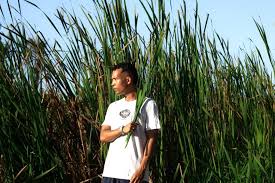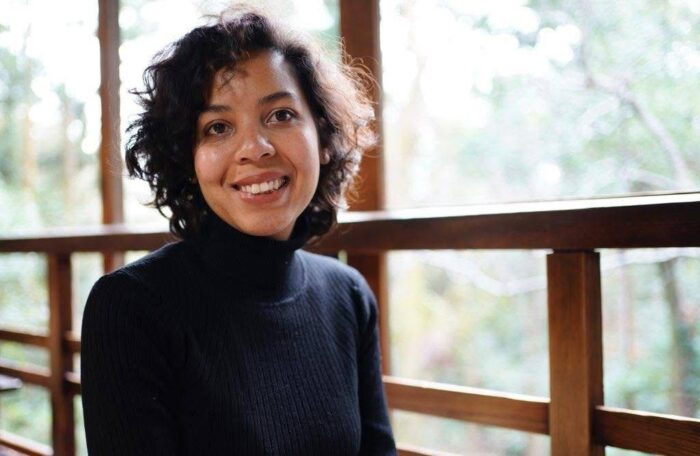

Around the world, millions of girls continue to face inequality, violence, and limitations imposed by patriarchal norms. As a result, many of them find themselves prevented from dreaming and building a promising future.
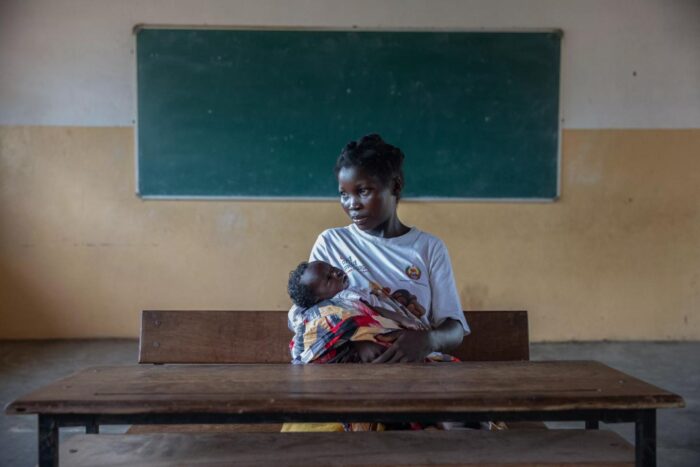
In Mozambique, this reality is manifested, above all, in the prevalence of child marriages and early pregnancies, phenomena that continue to threaten the future of thousands of girls.
October 11, International Day of the Girl Child, was established by the United Nations to recognize the rights of girls and the unique challenges they face. Since the adoption of the Beijing Declaration and Platform for Action nearly 25 years ago, remarkable progress has been made: more and more girls are attending and completing school, acquiring professional skills, and gaining the right to decide their own lives.
However, the reality is still marked by profound inequalities. Harmful gender norms continue to dictate the fate of millions of girls. Furthermore, technological inequalities also have a significant impact, with approximately 90 percent of girls in low-income countries not using the internet, while boys in the same age group are twice as likely to be online.
In Mozambique, premature marriages and early pregnancies remain among the main barriers to girls' development, with a higher incidence in the country's northern provinces. Several traditional practices continue to be identified as structural causes of this phenomenon.
To address this problem, several Non-Governmental Organizations (NGOs) have developed awareness-raising and information-sharing initiatives within communities, promoting dialogue and female empowerment from an early age.
One of the most effective strategies to combat this reality is to strengthen girls' education and encourage the active involvement of families and communities in combating practices that compromise girls' futures. It is also essential to ensure the effective implementation of the Law on Early Marriages, ensuring legal and social protection for young women.
According to United Nations data, each year of secondary education attended by a girl can increase her purchasing power by up to 25%. Furthermore, if all boys and girls completed secondary education, 420 million people could escape poverty, benefiting several generations.
Investing in girls' education, health, and safety is therefore essential to breaking cycles of poverty and inequality.
On this International Day of the Girl Child, the call is clear: we must listen to girls, amplify their voices, and create opportunities for all to dream, decide, and lead.
(By Joana Mawai)